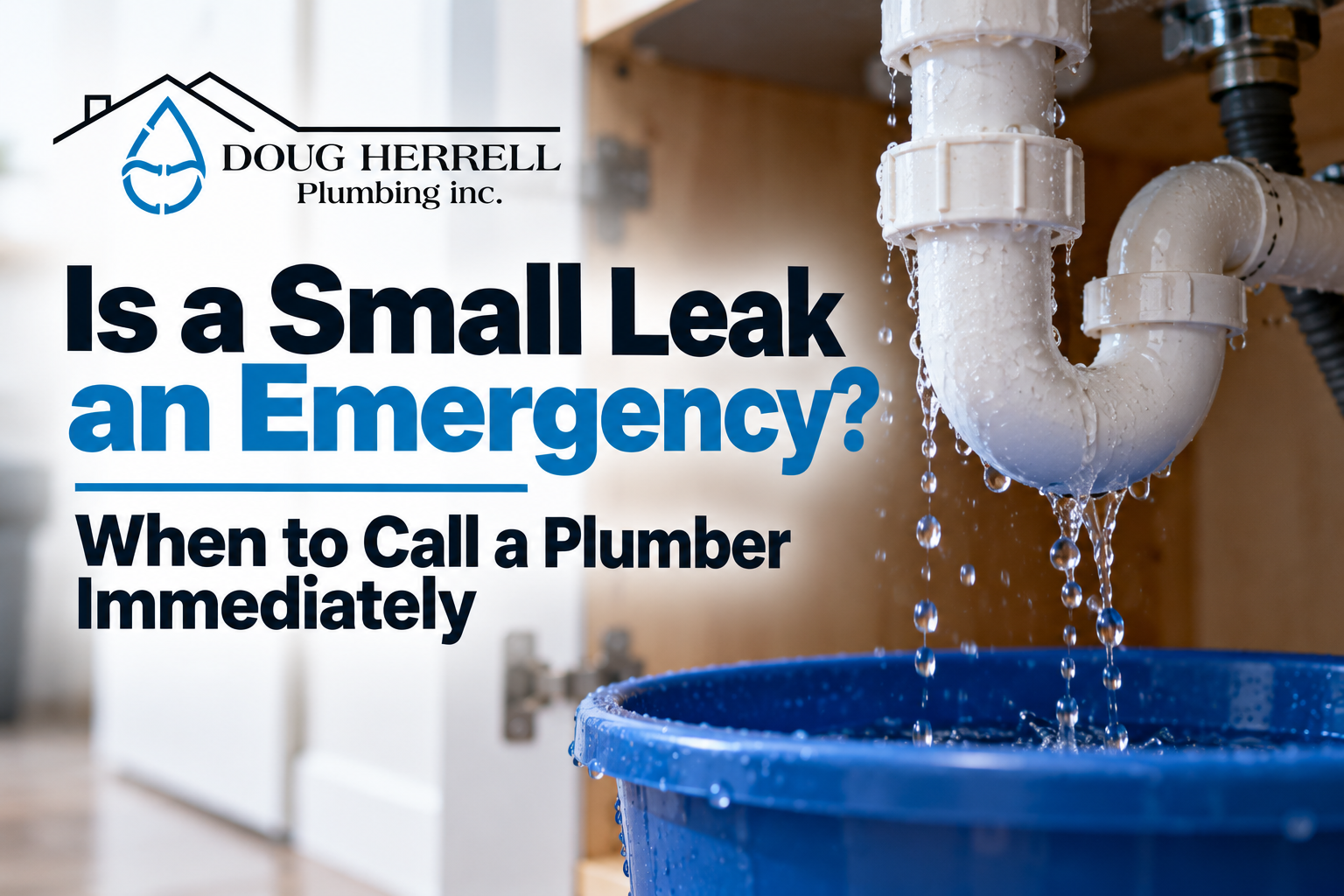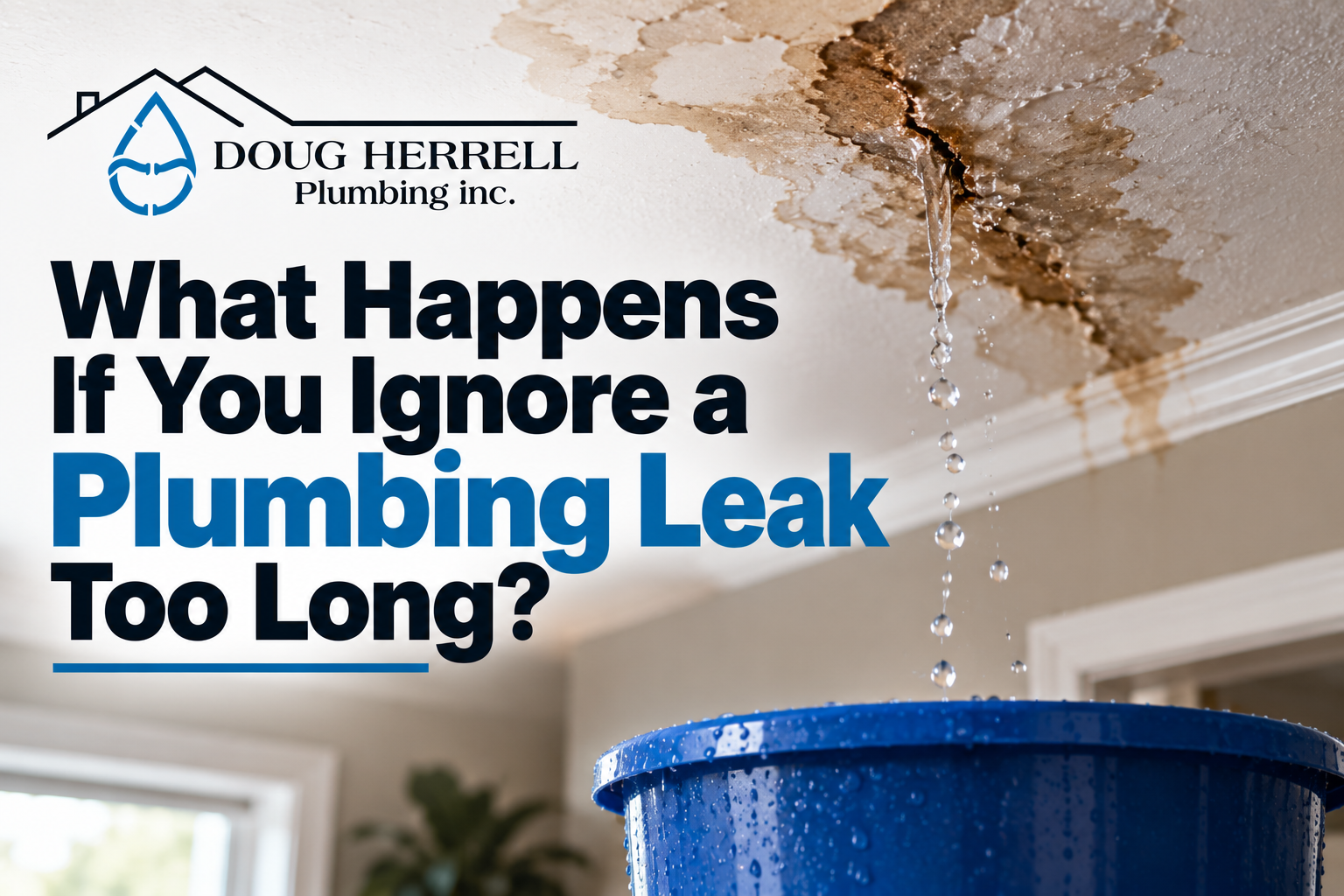
A plumbing leak rarely fixes itself. What may begin as a slow drip beneath a sink or a small water stain on the ceiling can gradually turn into one of the most expensive problems a homeowner faces. Because many leaks start in hidden areas behind walls, beneath flooring, or under your home’s foundation, the damage often continues long before anyone realizes there is a problem.
Many homeowners put off calling a plumber because the leak seems minor or doesn’t appear to be causing immediate damage. Unfortunately, water has a way of finding every available path. Over time, even a slow leak can weaken building materials, damage flooring, increase utility bills, promote mold growth, and create much larger plumbing repairs.
Understanding what happens when a plumbing leak is ignored can help homeowners recognize why acting early is almost always the most affordable solution.
Small Leaks Rarely Stay Small
One of the biggest misconceptions homeowners have is believing a small leak will simply remain a small leak. In reality, plumbing systems operate under constant water pressure, and even a tiny weakness in a pipe, fitting, or valve often grows larger over time. Temperature changes, normal pipe movement, water pressure, and corrosion all place additional stress on the damaged area. What starts as an occasional drip may eventually become a steady leak or even a burst pipe. Addressing a leak while it is still minor is usually much less expensive than waiting until significant damage has occurred.
Water Damage Begins Almost Immediately
Water starts damaging your home much faster than most people realize. Within minutes, moisture begins soaking into drywall, insulation, flooring, cabinets, and baseboards. As time passes, these materials absorb even more water, making them weaker and more difficult to repair.
Wood flooring may begin to swell or warp, drywall can soften and lose its strength, and cabinets may absorb enough moisture to permanently distort their shape. Even if the leak seems slow, continuous exposure to water gradually weakens the materials that make up your home.
The longer the leak continues, the more expensive restoration often becomes.
Mold Can Develop in Just a Few Days
One of the biggest concerns with any plumbing leak is mold growth.
Mold thrives anywhere moisture remains trapped, especially behind walls, beneath flooring, inside cabinets, or above ceilings where homeowners cannot easily see it. Under the right conditions, mold can begin growing within 24 to 48 hours after water is introduced.
Once mold spreads throughout hidden areas of the home, cleanup often becomes much more involved than simply repairing the original plumbing leak. Professional mold remediation may be required, adding significant costs to an already expensive repair.
Fixing a leak quickly is one of the best ways to reduce the risk of mold developing inside your home.
Your Water Bill Will Continue Increasing
Even a slow plumbing leak wastes water every hour of every day.
A dripping pipe, leaking toilet, or hidden water line may not seem significant at first, but over the course of weeks or months, those small amounts of wasted water can add up to hundreds or even thousands of gallons.
Many homeowners first discover a hidden plumbing leak after noticing an unusually high monthly water bill. Instead of assuming your utility company made a mistake, it is worth having your plumbing system inspected if your water usage suddenly increases without explanation.
Repairing the leak early not only protects your home but also helps reduce unnecessary utility costs.
Structural Damage Can Become a Serious Problem
Water doesn’t just damage visible surfaces. It can also weaken the structural components that support your home.
Wood framing, floor joists, subflooring, and support beams are all vulnerable to prolonged moisture exposure. Over time, saturated wood can begin to rot, lose its strength, and require costly structural repairs.
In severe cases, flooring may become soft or unstable, ceilings may sag, and walls may begin showing visible signs of deterioration.
These types of repairs are almost always far more expensive than fixing the plumbing leak that caused the damage.
Hidden Leaks Are Often the Most Dangerous
Some of the most damaging plumbing leaks are the ones homeowners never see.
Leaks hidden behind drywall, beneath concrete slabs, or inside crawl spaces often continue for weeks or months before obvious symptoms appear. During that time, moisture quietly damages insulation, framing, flooring, and other building materials without attracting attention.
By the time water stains, warped flooring, or musty odors become noticeable, significant damage may already exist.
Professional leak detection allows plumbers to locate these hidden leaks before they become much larger problems.
Plumbing Leaks Can Damage Your Foundation
Leaks occurring beneath your home’s concrete foundation deserve immediate attention.
A slab leak may begin with only a small amount of escaping water, but continuous moisture beneath the foundation can gradually wash away supporting soil. Over time, this movement may contribute to foundation settling or cracking.
Although not every slab leak results in structural damage, ignoring one greatly increases the risk of expensive foundation repairs in the future.
Early leak detection and prompt plumbing repairs help protect both your plumbing system and your home’s foundation.
Pest Problems Can Follow Water Leaks
Moisture attracts more than just mold.
Many insects and pests are drawn to damp environments where water is consistently available. Termites, carpenter ants, cockroaches, and certain rodents are more likely to invade areas affected by long-term plumbing leaks.
A hidden leak behind a wall or beneath a cabinet can unintentionally create the perfect environment for pests to thrive.
Repairing plumbing leaks quickly helps eliminate one of the conditions that attracts unwanted pests into your home.
Plumbing Leaks Can Reduce Your Home’s Value
If you’re planning to sell your home in the future, unresolved plumbing leaks can become a major obstacle.
Water damage, mold, warped flooring, stained ceilings, and damaged drywall are issues that often appear during home inspections. Buyers may request repairs, negotiate a lower purchase price, or even walk away from the sale altogether if significant plumbing damage is discovered.
Keeping your plumbing system in good condition not only protects your home today but also helps preserve its long-term value.
Minor Repairs Often Become Major Repairs
One of the biggest reasons homeowners delay plumbing repairs is because the leak seems inexpensive to ignore.
Unfortunately, the opposite is usually true.
A small pipe repair costing a few hundred dollars today may eventually require replacing drywall, flooring, cabinets, insulation, paint, and structural framing if the leak continues. In addition, mold remediation and water damage restoration can quickly increase the overall repair cost.
Fixing a plumbing leak early is almost always the least expensive option.
Signs You Should Call a Plumber Immediately
Not every plumbing leak creates obvious flooding, but several warning signs should never be ignored. Water stains on ceilings or walls, bubbling paint, warped flooring, musty odors, unusually high water bills, reduced water pressure, or the sound of running water when no fixtures are being used may all indicate a hidden plumbing leak.
If you notice any of these symptoms, scheduling a professional plumbing inspection as soon as possible can help prevent more extensive damage.
The earlier the leak is found, the simpler and less expensive the repair often becomes.
Why Professional Leak Detection Matters
Finding the exact source of a plumbing leak is not always easy.
Professional plumbers use specialized equipment such as acoustic listening devices, moisture meters, pressure testing equipment, and thermal imaging cameras to locate hidden leaks without unnecessary damage to your home.
Accurate leak detection allows repairs to focus only on the affected area while minimizing disruption to walls, flooring, and landscaping.
Investing in professional leak detection often saves homeowners both time and money by preventing unnecessary demolition.
Frequently Asked Questions
Can a small plumbing leak really cause major damage?
Yes. Even a slow leak can eventually damage drywall, flooring, insulation, framing, and other structural materials if left unrepaired.
How quickly can mold grow from a plumbing leak?
Under the right conditions, mold can begin growing within 24 to 48 hours after moisture is introduced into a home.
Will a small plumbing leak increase my water bill?
Yes. Even a slow drip can waste hundreds or thousands of gallons of water over time, leading to noticeably higher monthly utility bills.
Can a plumbing leak damage my home’s foundation?
Yes. Slab leaks beneath a home’s concrete foundation can gradually affect the surrounding soil and may contribute to foundation movement if ignored.
How do plumbers find hidden leaks?
Licensed plumbers use specialized leak detection equipment such as moisture meters, pressure testing devices, acoustic listening equipment, and thermal imaging cameras to locate hidden leaks accurately.
Should I wait to fix a small plumbing leak?
No. Small leaks almost always become larger over time. Repairing the problem early is usually much less expensive than repairing the water damage that develops later.
Fixing a Small Leak Today Can Prevent Major Repairs Tomorrow
A plumbing leak may seem minor when it first appears, but water damage has a way of growing quietly behind walls, beneath floors, and inside areas you can’t easily see. What begins as a slow drip can eventually lead to mold growth, structural damage, higher water bills, damaged belongings, and costly restoration work if left untreated. The longer a leak continues, the greater the chance that a relatively simple plumbing repair will turn into a much larger home repair project.
If you’ve noticed signs of a plumbing leak, scheduling an inspection with a licensed plumber is one of the best investments you can make. Early leak detection and prompt repairs help protect your home, reduce repair costs, preserve your property’s value, and give you peace of mind knowing your plumbing system is operating as it should.
What’s Next?
Doug Herrell Plumbing is a trusted leader in Brevard County, Florida, specializing in slab leak detection and re-piping services. Call us today for a free estimate before a slab leak causes unnecessary damage to your property.
About Doug Herrell Plumbing – lic#CFC 048487
Doug Herrell Plumbing has been Brevard County’s source for plumbing services since 1980. We are a family owned and operated business and take tremendous pride in providing honest and reliable plumbing services at an affordable price.
CALL 321-254-0004
Serving Melbourne, Palm Bay, Viera, Suntree, Titusville, Merritt Island, Melbourne Beach, Indialantic, Indian Harbour Beach, Cape Canaveral, Satellite Beach, Rockledge, West Melbourne, Cocoa, and Cocoa Beach.