A hidden water leak can be one of the most frustrating plumbing problems for a homeowner. You may notice your water bill going up, hear water running when everything is turned off, or find a damp area in your home without knowing where the water is coming from. The leak may be behind a wall, underneath a floor, underground, or even beneath the concrete slab of your home.
So, how do plumbers find hidden water leaks?
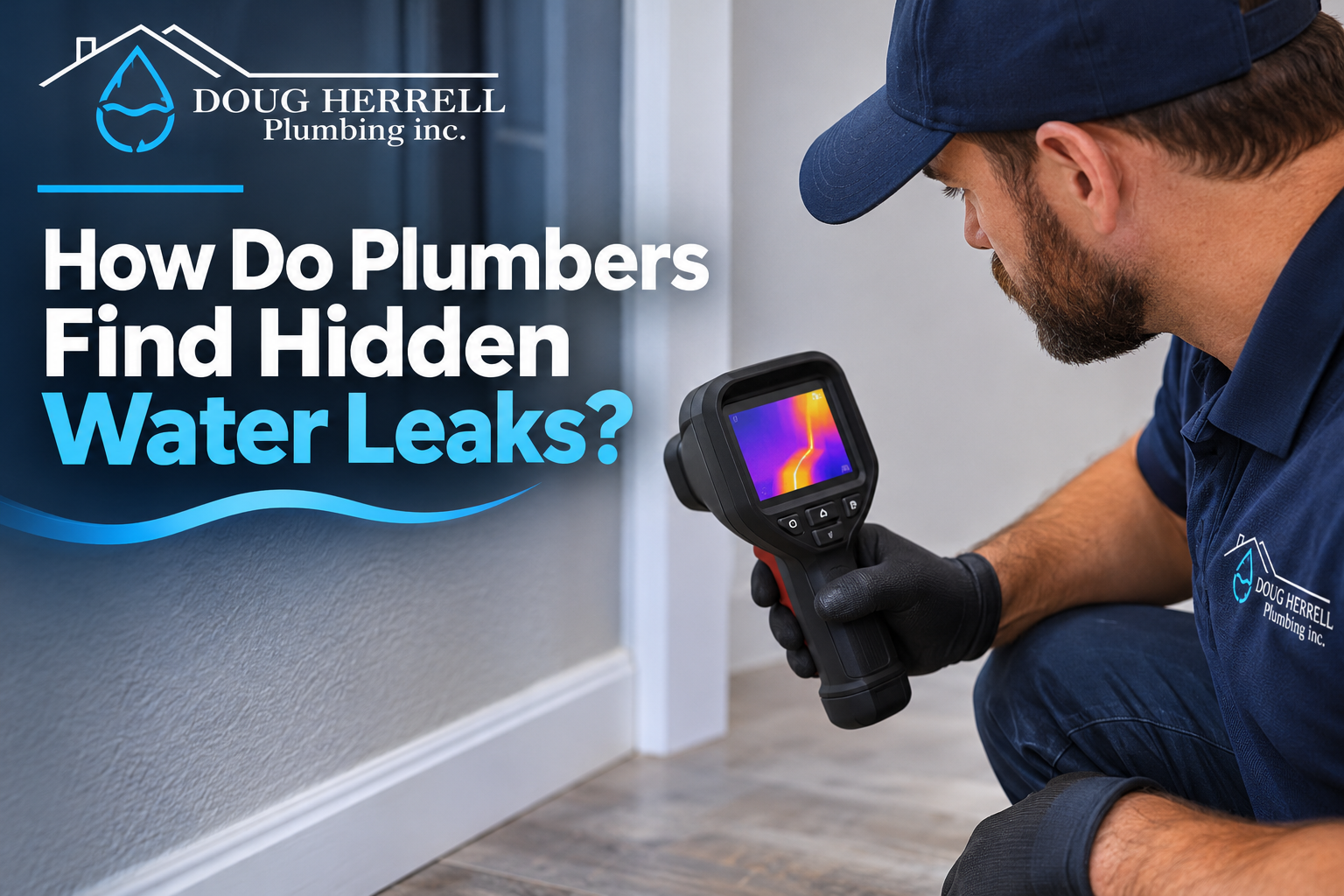
Plumbers find hidden water leaks by looking for signs of water loss, inspecting the plumbing system, checking water usage, narrowing down the possible location of the leak, and investigating areas where a leak is suspected. The exact process depends on the home’s plumbing system, where the pipes are located, and the symptoms the homeowner is experiencing.
At Doug Herrell Plumbing, we provide leak detection in Melbourne, FL, and throughout Brevard County. With more than 30 years of plumbing experience, we have worked with hidden pipe leaks, slab leaks, underground water leaks, and aging plumbing systems throughout the area.
If you think you have a leak but cannot see where the water is coming from, finding the source is the first step toward determining the right repair.
What Is a Hidden Water Leak?
A hidden water leak is a plumbing leak that occurs somewhere you cannot easily see. Unlike a dripping faucet or a leaking pipe underneath a sink, the damaged pipe may be concealed behind drywall, beneath flooring, underground, or underneath a home’s concrete foundation.
This can make hidden leaks difficult for homeowners to identify.
Water can sometimes travel away from the actual source of a leak before becoming visible. For example, a wet spot on a wall does not necessarily mean the leaking pipe is directly behind that spot. Water may follow framing, pipes, or other building materials before appearing somewhere else.
That is one reason professional leak detection can be useful. Instead of simply repairing the first visible sign of water, the goal is to determine where the water is actually coming from.
How Do Plumbers Find Hidden Water Leaks?
Finding a hidden water leak usually involves a process of elimination. A plumber looks at the symptoms, considers how the home’s plumbing system is arranged, and works to narrow down the possible source.
The investigation may begin with basic questions. When did you first notice the problem? Has your water bill increased? Is the problem constant or intermittent? Have you noticed wet flooring, warm areas, lower water pressure, or sounds of running water?
Those details can provide important clues.
A plumber may then inspect accessible plumbing, check for visible moisture or damage, evaluate water usage, examine the water meter, and investigate areas where the leak is most likely occurring.
The process can be different from one house to another because there are several types of hidden plumbing leaks.
Checking the Water Meter for Signs of a Leak
One of the simplest ways to determine whether a home may be losing water is to check the water meter.
First, make sure faucets, showers, washing machines, dishwashers, irrigation systems, and other water-using fixtures are turned off. Then check the water meter and record the reading.
If the meter continues showing water usage when nothing in the house should be using water, there may be a leak somewhere in the plumbing system.
A moving meter does not automatically tell you where the leak is located. However, it can provide an important clue that water is escaping somewhere.
Homeowners can perform a basic water meter check themselves, but finding the actual source may require further investigation.
Looking for Visible Signs of Hidden Water Damage
Even when a pipe itself is hidden, the escaping water may eventually create visible signs.
A plumber may inspect walls, ceilings, floors, cabinets, plumbing fixtures, and other areas for evidence of moisture.
Water stains, bubbling paint, damaged drywall, warped flooring, damp cabinets, unusual discoloration, and persistent moisture can all indicate that water is reaching an area where it should not be.
The location of the visible damage can help narrow down the investigation, but it does not always reveal the exact source.
Water can move through a structure before it becomes noticeable, which is why opening a wall at the first visible stain is not always the best way to begin.
Listening for Water When Fixtures Are Off
Sometimes a hidden plumbing leak can actually be heard.
If all of the fixtures in your home are turned off but you still hear water running, dripping, hissing, or moving through the plumbing system, it may indicate that water is escaping somewhere.
The sound may be easier to notice at night or when the house is quiet.
This does not necessarily tell you exactly where the leak is located, but combined with other symptoms, it can help narrow down the problem.
If you hear water running continuously when nothing should be using water, it is worth investigating.
Can a Plumber Find a Leak Behind a Wall?
Yes. Plumbers can investigate suspected leaks behind walls without automatically tearing open large sections of drywall.
The first step is usually determining whether the symptoms actually point to a pipe behind the wall.
Possible signs include damp drywall, water stains, peeling paint, a musty smell, recurring moisture, or unexplained water usage.
The plumbing layout can also provide clues. If a wet area is near a bathroom, kitchen, laundry room, or another area containing water lines, the plumber can consider which pipes may run through that section of the home.
The goal is to narrow down the suspected area before unnecessary demolition takes place.
Once the location has been identified closely enough, a smaller section of the wall may need to be opened to access and repair the damaged pipe.
How Are Leaks Under Floors Found?
Leaks beneath flooring can be more difficult because the pipe and escaping water may both be concealed.
A homeowner may first notice flooring that feels damp, changes color, begins lifting, or develops an unusual warm area.
The symptoms depend on the type of flooring and where the plumbing is located.
A plumber can use the location of the symptoms, plumbing layout, water usage, and other evidence to determine whether a pipe beneath the floor may be leaking.
Leaks beneath floors should not be ignored. Water that continues escaping can damage flooring and other building materials and may eventually create a much larger repair.
What About Underground Water Leaks?
Not every hidden leak occurs inside the house.
The water line running between the meter and your home can also develop a leak underground.
Possible signs of an underground water-line leak include unusually wet areas in the yard, soft ground, standing water, unexplained water usage, reduced water pressure, or a water meter that continues moving when everything inside the home is turned off.
An underground leak can sometimes continue for a significant amount of time before the homeowner realizes there is a problem.
If your water bill suddenly increases but there are no obvious signs of water inside the house, an underground water line is one of the areas that may need to be investigated.
How Are Slab Leaks Detected?
A slab leak is a water leak involving plumbing located beneath a home’s concrete foundation.
These leaks deserve special attention because the pipe is not easily accessible and the escaping water can remain hidden beneath the home.
Possible signs of a slab leak include an unexplained increase in the water bill, warm areas on the floor, damp flooring, the sound of running water, water meter movement, lower water pressure, or moisture appearing near the foundation.
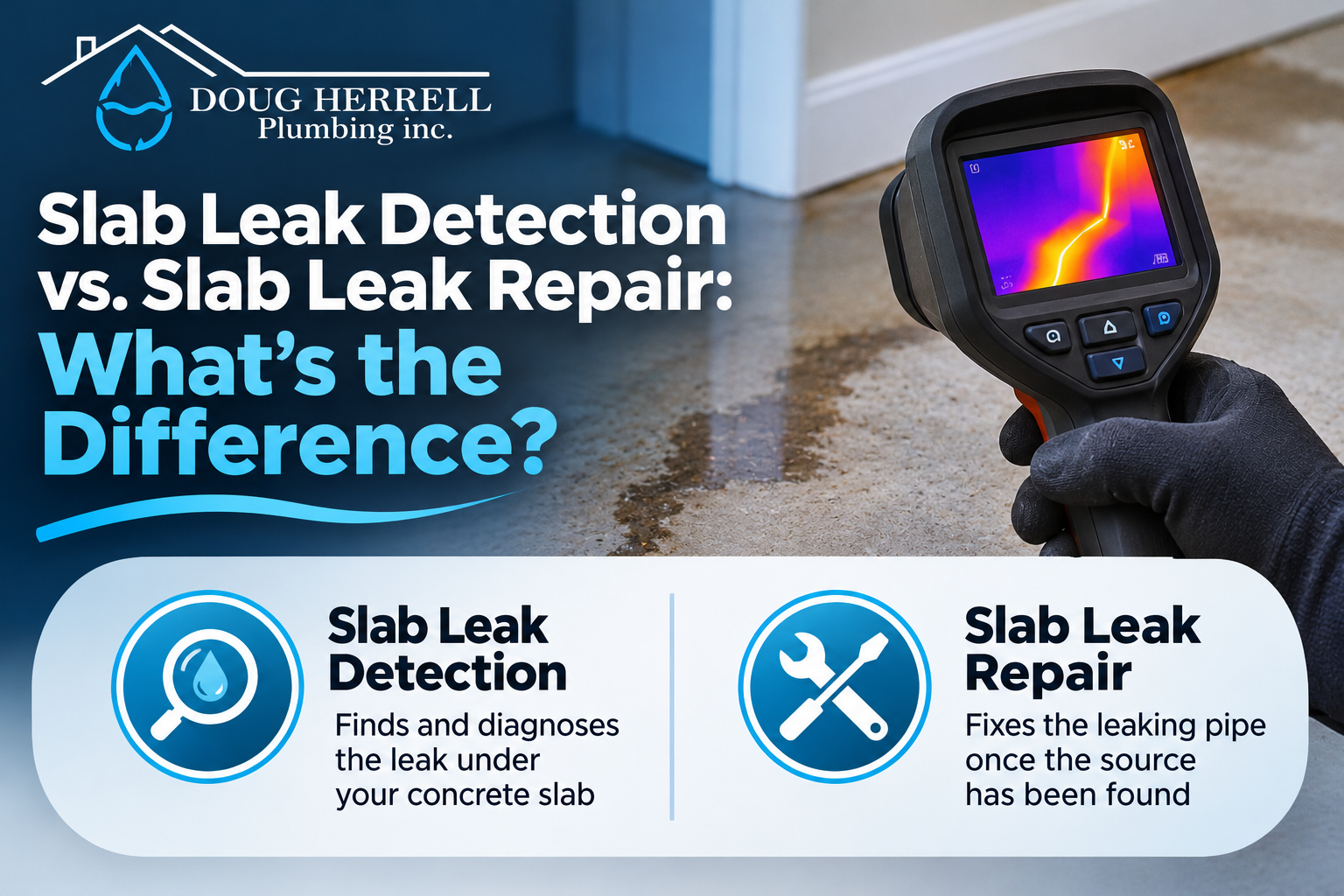
Slab leak detection is the process of determining whether a leak exists beneath the slab and narrowing down its location.
Once the leak has been found, the next question is how it should be repaired.
That is where slab leak detection and slab leak repair become two different parts of the same problem. Detection identifies the source. Repair addresses the damaged plumbing.
Does a High Water Bill Mean You Have a Leak?
A sudden increase in your water bill can be one of the earliest signs of a hidden plumbing leak, especially when your household’s normal water usage has not changed.
However, a high bill does not automatically mean there is a hidden pipe leak.
Running toilets, dripping fixtures, irrigation problems, increased household usage, and other issues can also increase water consumption.
The important thing is to compare your current usage with what is normal for your household.
If your water consumption suddenly increases without an obvious explanation, checking for a leak is a reasonable next step.
This is especially important when a high water bill appears alongside other symptoms such as water meter movement, damp areas, low water pressure, or the sound of running water.
Can You Have a Water Leak Without Seeing Any Water?
Yes. It is entirely possible to have a plumbing leak without seeing standing water inside your home.
This is especially common with leaks behind walls, beneath floors, underground, and under concrete foundations.
The water may be absorbed by surrounding materials, drain into the ground, or remain hidden for some time before visible damage appears.
That is why homeowners should pay attention to other warning signs.
An unexplained water bill increase, water meter movement, unusual sounds, changes in water pressure, damp smells, warm flooring, or unexplained moisture can all justify further investigation even when you cannot physically see leaking water.
What Are the Most Common Signs of a Hidden Plumbing Leak?
Hidden leaks do not always produce the same symptoms, but there are several warning signs homeowners should take seriously.
An unexplained increase in the water bill is one of the most common. If your household is using roughly the same amount of water but the bill suddenly rises, water may be escaping somewhere.
You may also notice the sound of running water when fixtures are off, damp or discolored walls, changes in flooring, lower water pressure, musty odors, wet areas outside, or water meter movement when no water should be running.
One symptom alone does not necessarily confirm a leak. Several symptoms occurring together, however, can provide a strong reason to have the plumbing system inspected.
Why Finding the Source Matters Before Making a Repair
Finding the leak is only part of solving the problem.
Once the source is located, the plumber can determine what actually failed and what type of repair makes sense.
A single isolated pipe failure may require a relatively localized repair. However, repeated leaks in an older plumbing system can indicate a larger problem.
This distinction is important.
Repairing one damaged section may make sense when the rest of the plumbing is in good condition. If multiple sections of pipe are deteriorating or the home has experienced repeated leaks, continuing to repair individual failures may become less practical.
In those situations, a whole-house repipe may need to be considered.
When Does a Hidden Leak Become a Repiping Problem?
One hidden leak does not automatically mean your entire home needs to be repiped.
The condition of the overall plumbing system matters.
If a pipe was accidentally damaged or one isolated fitting failed, repairing that specific area may solve the problem.
The situation changes when leaks become repetitive.
Multiple pipe failures, recurring slab leaks, widespread corrosion, aging plumbing materials, or a history of repairs can indicate that the problem extends beyond one section of pipe.
At that point, homeowners should consider whether continuing to repair individual leaks makes financial and practical sense.
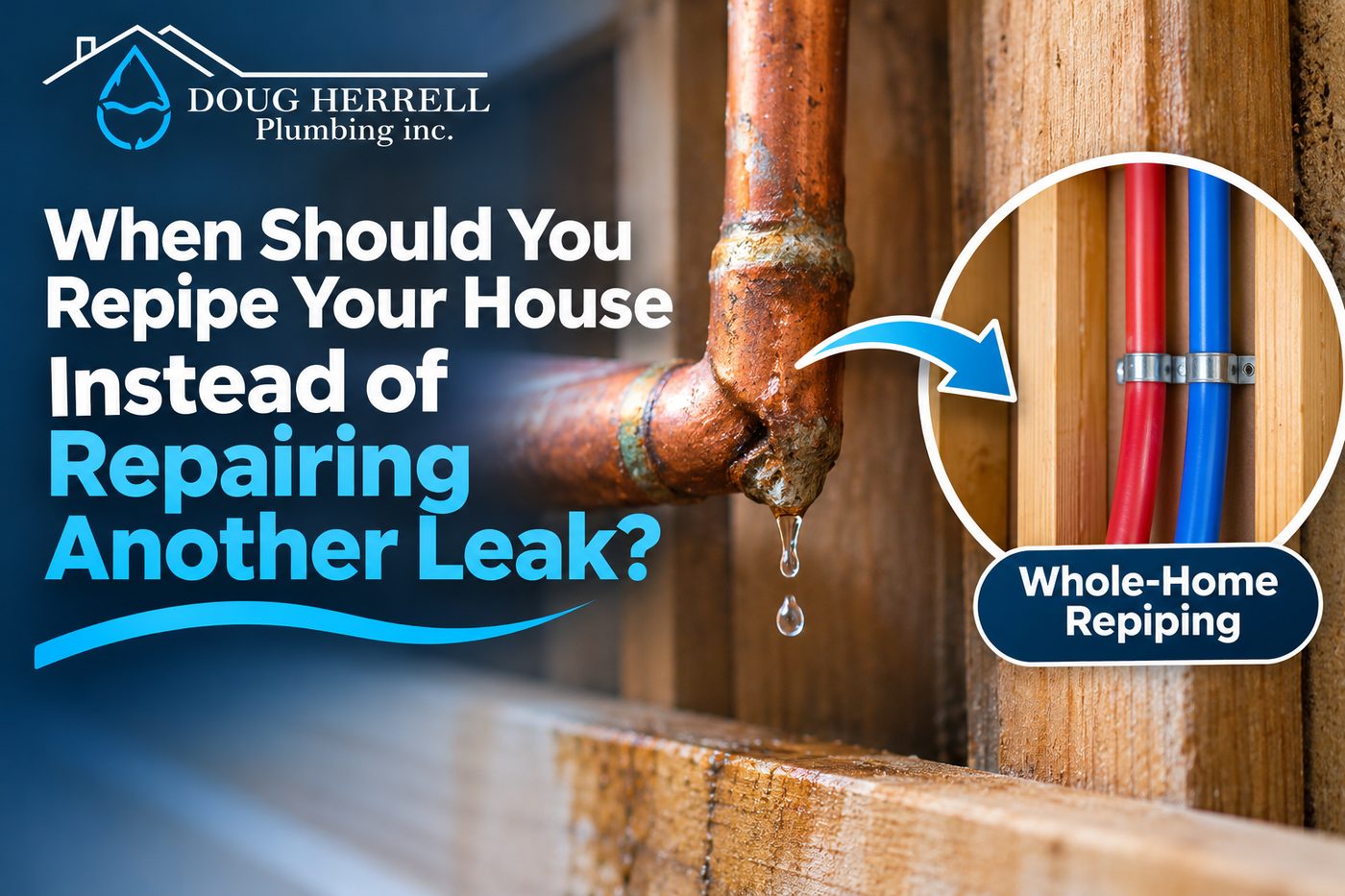
Whole-house repiping replaces the aging or deteriorating water lines rather than waiting for additional sections to fail.
Doug Herrell Plumbing specializes in both leak-related plumbing problems and whole-house repiping, which allows us to look at the immediate leak as well as the condition of the larger plumbing system.
Should You Ignore a Small Hidden Leak?
No plumbing leak should simply be ignored because it appears small.
A small amount of water escaping continuously can add up over time.
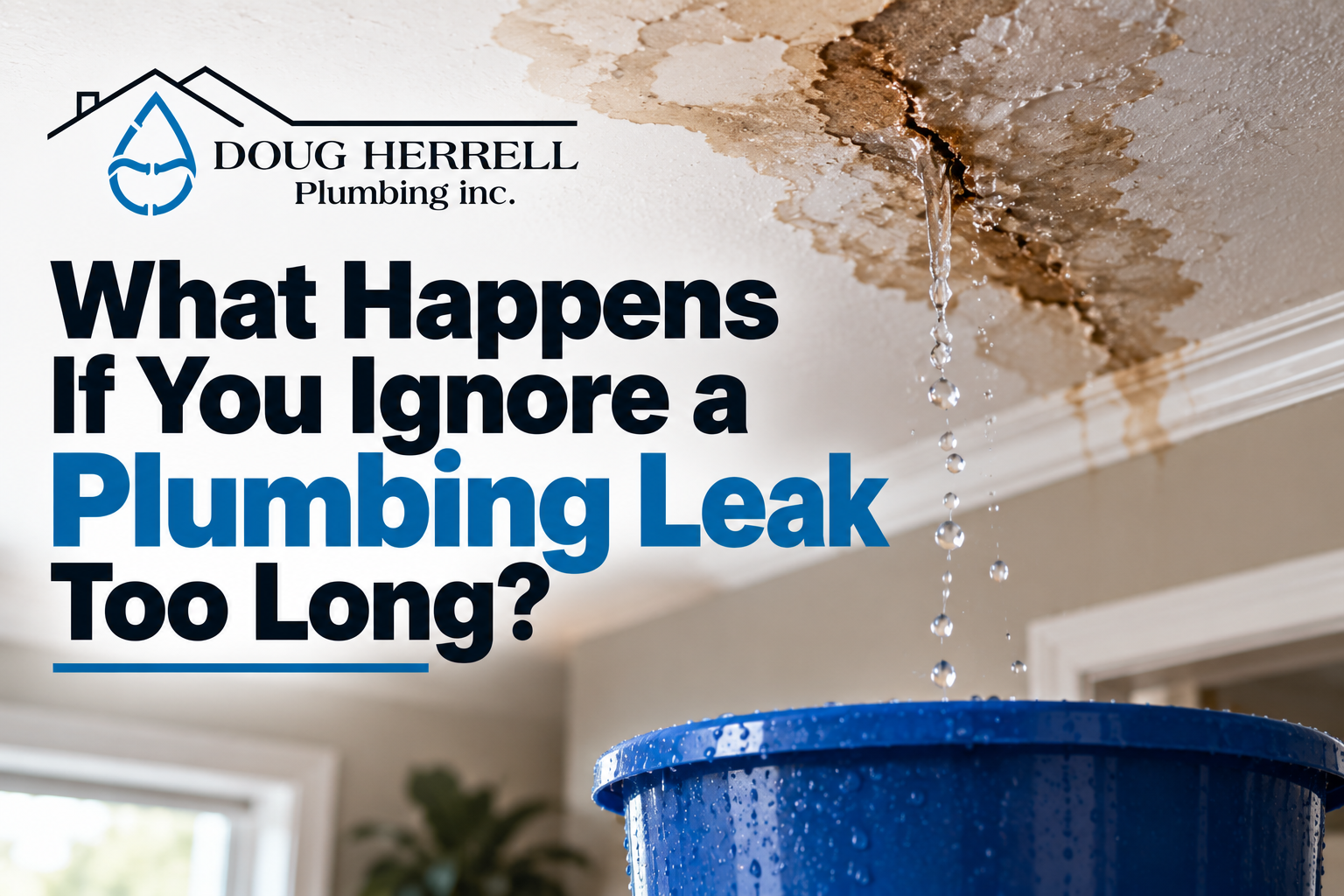
The longer a leak continues, the greater the possibility of damage to drywall, flooring, cabinets, insulation, or other materials around the leaking pipe.
The leak itself can also become worse.
If you suspect a hidden plumbing leak, finding the source early gives you more information and more options. Waiting until significant water damage appears usually makes the situation more difficult.
Leak Detection in Melbourne, FL
Homes in Melbourne and throughout Brevard County can experience many different types of plumbing leaks, including hidden pipe leaks, underground water-line leaks, and slab leaks.
Doug Herrell Plumbing provides professional leak detection in Melbourne, FL, and surrounding Brevard County communities. Our team has more than 30 years of plumbing experience and specializes in identifying and solving leak-related plumbing problems.
We also specialize in slab leak repair and whole-house repiping when a leak is part of a larger plumbing-system problem.
Our service area includes Melbourne, Palm Bay, Viera, Suntree, West Melbourne, Rockledge, Merritt Island, Cocoa, Cocoa Beach, Titusville, Melbourne Beach, Indialantic, Indian Harbour Beach, Satellite Beach, Cape Canaveral, and surrounding areas.
Frequently Asked Questions About Hidden Water Leaks
How do plumbers find hidden water leaks?
Plumbers look at water usage, symptoms, visible moisture, the home’s plumbing layout, water meter activity, and other signs to narrow down where water may be escaping. The exact process depends on whether the suspected leak is behind a wall, beneath a floor, underground, or under the home’s concrete slab.
How can I tell if I have a hidden water leak?
Common signs include a higher-than-normal water bill, water meter movement when fixtures are off, damp or discolored areas, the sound of running water, lower water pressure, musty odors, or unexplained moisture around the home.
Can a plumber find a leak without tearing up my house?
A plumber can usually investigate the problem and narrow down the suspected location before deciding whether a wall, floor, or other surface needs to be opened. Some access may eventually be necessary to complete the repair, but the goal is to identify the problem before unnecessary demolition occurs.
Can a hidden leak cause a high water bill?
Yes. A hidden leak can continuously waste water, causing household water usage and the monthly bill to increase even though your normal habits have not changed.
Can a water leak be underneath my house?
Yes. Water lines may run beneath the concrete slab of a home. When one of these pipes leaks, it is commonly referred to as a slab leak.
What does a slab leak feel like?
Some homeowners notice an unusually warm area of flooring when a hot-water line beneath the slab is leaking. However, not every slab leak produces a warm spot. Other signs can include higher water bills, damp flooring, running-water sounds, water meter movement, or unexplained moisture.
Should I call a plumber if my water meter keeps moving?
If all water-using fixtures and appliances are turned off and the meter continues showing water usage, there may be a leak somewhere in the plumbing system. A plumber can help investigate where the water is going.
Does one hidden leak mean I need to repipe my house?
Not necessarily. An isolated leak may only require a localized repair. Repiping becomes more relevant when a home has repeated pipe failures, recurring leaks, deteriorating plumbing, or other evidence that the larger plumbing system is reaching the end of its useful life.
Who should I call for leak detection in Melbourne, FL?
Homeowners in Melbourne and throughout Brevard County can contact Doug Herrell Plumbing for professional leak detection, slab leak repair, and whole-house repiping services.
Schedule Leak Detection in Melbourne, FL
If your water bill has suddenly increased, your water meter continues moving, you hear water running when everything is turned off, or you notice other signs of a hidden plumbing leak, finding the source should be your next step.
Doug Herrell Plumbing provides leak detection in Melbourne, FL, and throughout Brevard County. As a family-owned and operated plumbing company serving the area since 1991, we have decades of experience helping local homeowners diagnose hidden leaks, slab leaks, pipe failures, and other plumbing problems.
If the leak is isolated, we can help determine the appropriate repair. If repeated leaks indicate a larger problem with the plumbing system, we can also help determine whether whole-house repiping should be considered.
Call Doug Herrell Plumbing at (321) 254-0004 to discuss your plumbing problem or request leak detection service.
What’s Next?
Doug Herrell Plumbing is a trusted leader in Brevard County, Florida, specializing in slab leak detection and re-piping services. Call us today for a free estimate before a slab leak causes unnecessary damage to your property.
About Doug Herrell Plumbing – lic#CFC 048487
Doug Herrell Plumbing has been Brevard County’s source for plumbing services since 1980. We are a family owned and operated business and take tremendous pride in providing honest and reliable plumbing services at an affordable price.
CALL 321-254-0004
Serving Melbourne, Palm Bay, Viera, Suntree, Titusville, Merritt Island, Melbourne Beach, Indialantic, Indian Harbour Beach, Cape Canaveral, Satellite Beach, Rockledge, West Melbourne, Cocoa, and Cocoa Beach.
Table of Contents
- What Is a Hidden Water Leak?
- How Do Plumbers Find Hidden Water Leaks?
- Checking the Water Meter for Signs of a Leak
- Looking for Visible Signs of Hidden Water Damage
- Listening for Water When Fixtures Are Off
- Can a Plumber Find a Leak Behind a Wall?
- How Are Leaks Under Floors Found?
- What About Underground Water Leaks?
- How Are Slab Leaks Detected?
- Does a High Water Bill Mean You Have a Leak?
- Can You Have a Water Leak Without Seeing Any Water?
- What Are the Most Common Signs of a Hidden Plumbing Leak?
- Why Finding the Source Matters Before Making a Repair
- When Does a Hidden Leak Become a Repiping Problem?
- Should You Ignore a Small Hidden Leak?
- Leak Detection in Melbourne, FL
- Frequently Asked Questions About Hidden Water Leaks
- How do plumbers find hidden water leaks?
- How can I tell if I have a hidden water leak?
- Can a plumber find a leak without tearing up my house?
- Can a hidden leak cause a high water bill?
- Can a water leak be underneath my house?
- What does a slab leak feel like?
- Should I call a plumber if my water meter keeps moving?
- Does one hidden leak mean I need to repipe my house?
- Who should I call for leak detection in Melbourne, FL?
- Schedule Leak Detection in Melbourne, FL
- What’s Next?
- Table of Contents