A small plumbing leak may not seem like a big deal at first. A slow drip beneath the kitchen sink, a tiny water stain on the ceiling, or a pipe that occasionally leaks a few drops can be easy to ignore. Many homeowners assume they can deal with it later because the leak appears minor. Unfortunately, even a small leak can become a much larger plumbing problem if it isn’t addressed quickly.
While not every leak is considered a plumbing emergency, some seemingly small leaks can lead to significant water damage, mold growth, structural problems, and expensive repairs if they continue unchecked. Knowing when a leak requires immediate attention and when it can safely wait for a scheduled repair can help protect your home and save you money.
Understanding the warning signs of a serious plumbing leak also helps homeowners know when it’s time to call a licensed plumber right away.
Not Every Leak Is an Emergency
The good news is that not every plumbing leak requires an emergency service call. Some leaks develop slowly over time and remain relatively stable until a plumber can make repairs during normal business hours.
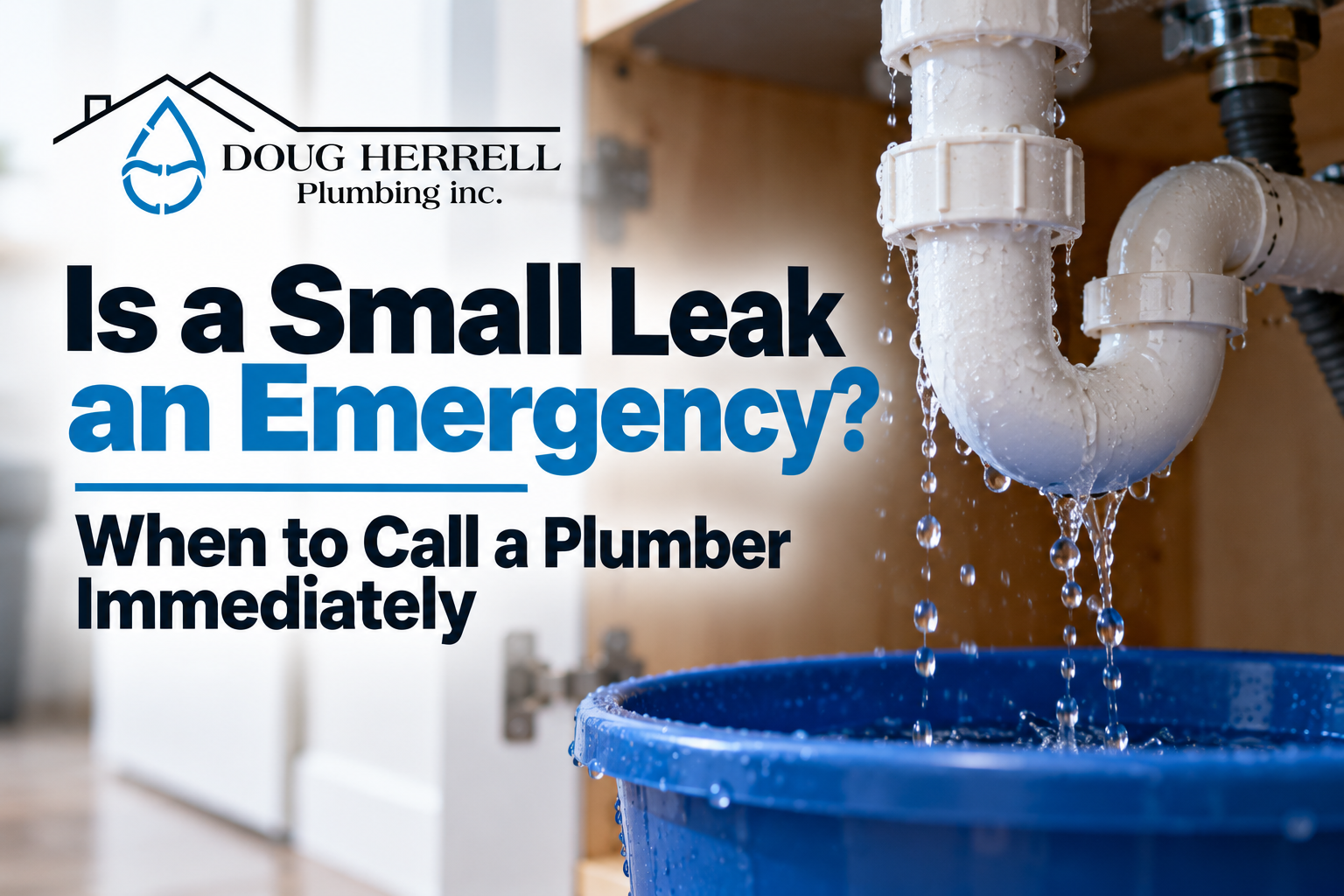
For example, a faucet that drips occasionally or a small leak beneath a bathroom sink that can be contained with a bucket may not require immediate emergency service. Likewise, a leaking toilet supply line that can be isolated by shutting off the fixture’s water supply often allows homeowners to safely wait until the next available plumbing appointment.
Although these types of leaks should never be ignored, they usually do not require middle-of-the-night emergency repairs if the water can be safely contained.
A Leak Becomes an Emergency When You Cannot Stop the Water
One of the easiest ways to determine whether a leak is an emergency is by asking one simple question: Can you stop the water?
If water continues flowing despite your attempts to shut it off, the situation quickly becomes an emergency. Burst pipes, broken water supply lines, failed water heaters, and damaged shut-off valves can release large amounts of water into your home within minutes. In these situations, shutting off the home’s main water supply and contacting an emergency plumber immediately is the safest course of action.
The longer water continues flowing, the greater the chance of extensive water damage, mold growth, and costly repairs.
Ceiling Leaks Should Always Be Taken Seriously
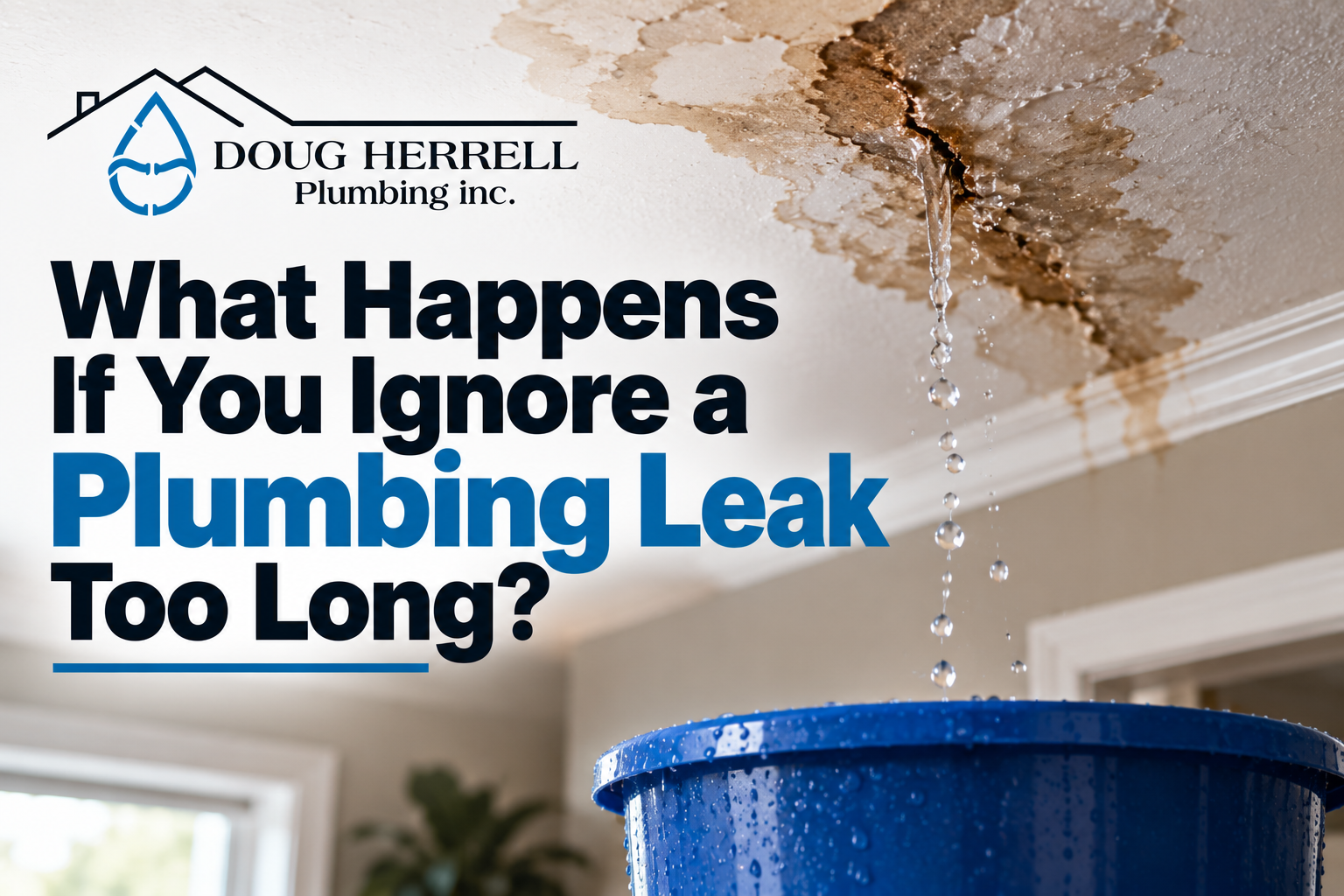
Water dripping from the ceiling may appear to be a small leak, but it often indicates a much larger problem hidden above.
The source could be a leaking water supply line, a damaged drain pipe, a plumbing fixture on the floor above, or even a failed water heater located in an attic or utility space.
Because water can saturate insulation, weaken drywall, damage electrical wiring, and eventually cause ceilings to collapse, ceiling leaks should never be ignored. Even if the drip seems minor, contacting a plumber promptly helps identify the source before more extensive damage occurs.
Leaks Behind Walls Can Cause Hidden Damage
One of the biggest dangers of a small plumbing leak is that much of the damage occurs where homeowners cannot see it.
A slow leak hidden behind drywall may continue for weeks or even months before becoming visible. During that time, moisture can damage wood framing, insulation, drywall, flooring, and even your home’s structural components.
Hidden moisture also creates ideal conditions for mold growth, which can become expensive to remediate once it spreads.
If you notice unexplained water stains, peeling paint, bubbling drywall, or musty odors, a hidden plumbing leak may already be causing damage inside your walls.
A Small Leak Can Lead to Mold Growth
It doesn’t take a major flood for mold to develop.
Even small plumbing leaks provide enough moisture for mold to begin growing within 24 to 48 hours under the right conditions. Once mold becomes established inside walls, beneath flooring, or behind cabinets, cleanup often becomes much more complicated than simply repairing the original leak.
Addressing even minor leaks quickly helps reduce moisture, protects indoor air quality, and prevents additional repair costs later.
High Water Bills Often Reveal Hidden Leaks
Many homeowners discover plumbing leaks only after receiving an unusually high water bill.
A small leak that runs continuously throughout the day may waste hundreds or even thousands of gallons of water each month.
If your water bill suddenly increases without any noticeable change in household water usage, a hidden plumbing leak could be responsible.
Professional leak detection allows plumbers to locate hidden leaks before they cause more extensive damage or continue increasing monthly utility costs.
Leaks Near Electrical Components Require Immediate Attention
Water leaking near electrical outlets, appliances, breaker panels, or exposed wiring should always be treated as a serious safety concern.
Electricity and water create an extremely dangerous combination that increases the risk of electrical shock or fire.
If it is safe to do so, shut off power to the affected area and avoid entering standing water until the situation has been evaluated.
Calling both a licensed plumber and, if necessary, a qualified electrician helps ensure the problem is repaired safely.
Slab Leaks Often Start Small
Slab leaks often begin as tiny leaks beneath your home’s concrete foundation.
Because the leak remains hidden underground, homeowners may not notice any visible water for quite some time. Instead, warning signs often include warm spots on the floor, unusually high water bills, reduced water pressure, or the sound of running water when no fixtures are in use.
Although the leak itself may begin small, waiting too long can allow significant damage to occur beneath the home’s foundation.
Early leak detection often prevents much larger and more expensive repairs.
When You Can Wait Until Regular Business Hours
Some plumbing leaks can safely wait until the next available appointment, provided the water has been stopped and no additional damage is occurring.
Examples include a slow-dripping faucet, a minor leak beneath a sink that has been contained, or a leaking fixture that can be isolated by shutting off its individual supply valve.
Even in these situations, repairs should be scheduled as soon as possible.
Ignoring small leaks often allows them to become much larger plumbing problems over time.
Temporary Steps While Waiting for a Plumber
If the leak is under control and you’ve already scheduled a repair, there are several things you can do to minimize additional damage.
Place buckets or towels beneath leaking pipes to collect water, move furniture and valuables away from the affected area, and use fans or dehumidifiers to begin drying wet surfaces. If the leak is coming from a plumbing fixture, shut off the fixture’s water supply whenever possible. These temporary measures help protect your home while waiting for permanent repairs.
It’s important to remember that these are only short-term solutions. The underlying plumbing problem still needs to be professionally repaired.
Why Ignoring a Small Leak Can Cost More Later
Many homeowners delay plumbing repairs because the leak appears insignificant.
Unfortunately, water damage often develops slowly and silently.
What begins as a simple drip can eventually damage flooring, cabinets, drywall, insulation, framing, and personal belongings. Small leaks also waste water every day, increasing utility bills while placing unnecessary strain on your plumbing system.
Repairing a small leak early is almost always less expensive than repairing the water damage it eventually causes.
How a Plumber Determines the Severity of a Leak
When a licensed plumber arrives, they evaluate more than just the amount of visible water.
They consider the location of the leak, the type of pipe involved, the condition of the surrounding plumbing, whether structural materials have been affected, and if hidden moisture is present behind walls or beneath flooring.
In some cases, specialized leak detection equipment may be used to locate hidden water without opening unnecessary sections of the home.
This thorough evaluation helps determine whether a simple repair is sufficient or if additional restoration work may be necessary.
Frequently Asked Questions
Is a small plumbing leak considered an emergency?
Not always. If the water can be safely stopped and the leak is contained, it may be possible to schedule a repair during normal business hours. However, leaks that continue flowing or threaten your home should be addressed immediately.
When should I call a plumber for a leak?
You should call a plumber as soon as you notice a leak. Even small leaks can worsen over time and lead to water damage, mold growth, or higher water bills if left unrepaired.
Can a small water leak cause mold?
Yes. Mold can begin growing within 24 to 48 hours when moisture remains trapped behind walls, beneath flooring, or inside cabinets.
What should I do if a pipe starts leaking?
If possible, shut off the water supplying the leaking pipe or turn off your home’s main water supply. Then contact a licensed plumber to inspect and repair the problem.
Is a ceiling leak a plumbing emergency?
It can be. Ceiling leaks often indicate hidden plumbing problems that may damage drywall, insulation, electrical wiring, and structural components if not repaired promptly.
Can a small plumbing leak increase my water bill?
Yes. Even a slow leak can waste hundreds or thousands of gallons of water over time, leading to significantly higher monthly utility bills.
Address Small Leaks Before They Become Big Problems
A small plumbing leak may not seem urgent, but delaying repairs often allows water damage to spread far beyond the original source. While some leaks can safely wait until regular business hours, others require immediate attention to protect your home, your belongings, and your family’s safety. Knowing the difference helps you respond appropriately while preventing unnecessary damage and costly repairs.
If you’re unsure whether a leak is an emergency, it’s always better to have it evaluated by a licensed plumber. A professional inspection can identify hidden damage, locate the source of the leak, and recommend the best repair before the problem becomes much larger. Addressing plumbing leaks early is one of the simplest ways to protect your home and avoid expensive surprises in the future.
What’s Next?
Doug Herrell Plumbing is a trusted leader in Brevard County, Florida, specializing in slab leak detection and re-piping services. Call us today for a free estimate before a slab leak causes unnecessary damage to your property.
About Doug Herrell Plumbing – lic#CFC 048487
Doug Herrell Plumbing has been Brevard County’s source for plumbing services since 1980. We are a family owned and operated business and take tremendous pride in providing honest and reliable plumbing services at an affordable price.
CALL 321-254-0004
Serving Melbourne, Palm Bay, Viera, Suntree, Titusville, Merritt Island, Melbourne Beach, Indialantic, Indian Harbour Beach, Cape Canaveral, Satellite Beach, Rockledge, West Melbourne, Cocoa, and Cocoa Beach.
Table of Contents
- Not Every Leak Is an Emergency
- A Leak Becomes an Emergency When You Cannot Stop the Water
- Ceiling Leaks Should Always Be Taken Seriously
- Leaks Behind Walls Can Cause Hidden Damage
- A Small Leak Can Lead to Mold Growth
- High Water Bills Often Reveal Hidden Leaks
- Leaks Near Electrical Components Require Immediate Attention
- Slab Leaks Often Start Small
- When You Can Wait Until Regular Business Hours
- Temporary Steps While Waiting for a Plumber
- Why Ignoring a Small Leak Can Cost More Later
- How a Plumber Determines the Severity of a Leak
- Frequently Asked Questions
- Address Small Leaks Before They Become Big Problems
- What’s Next?
- Table of Contents