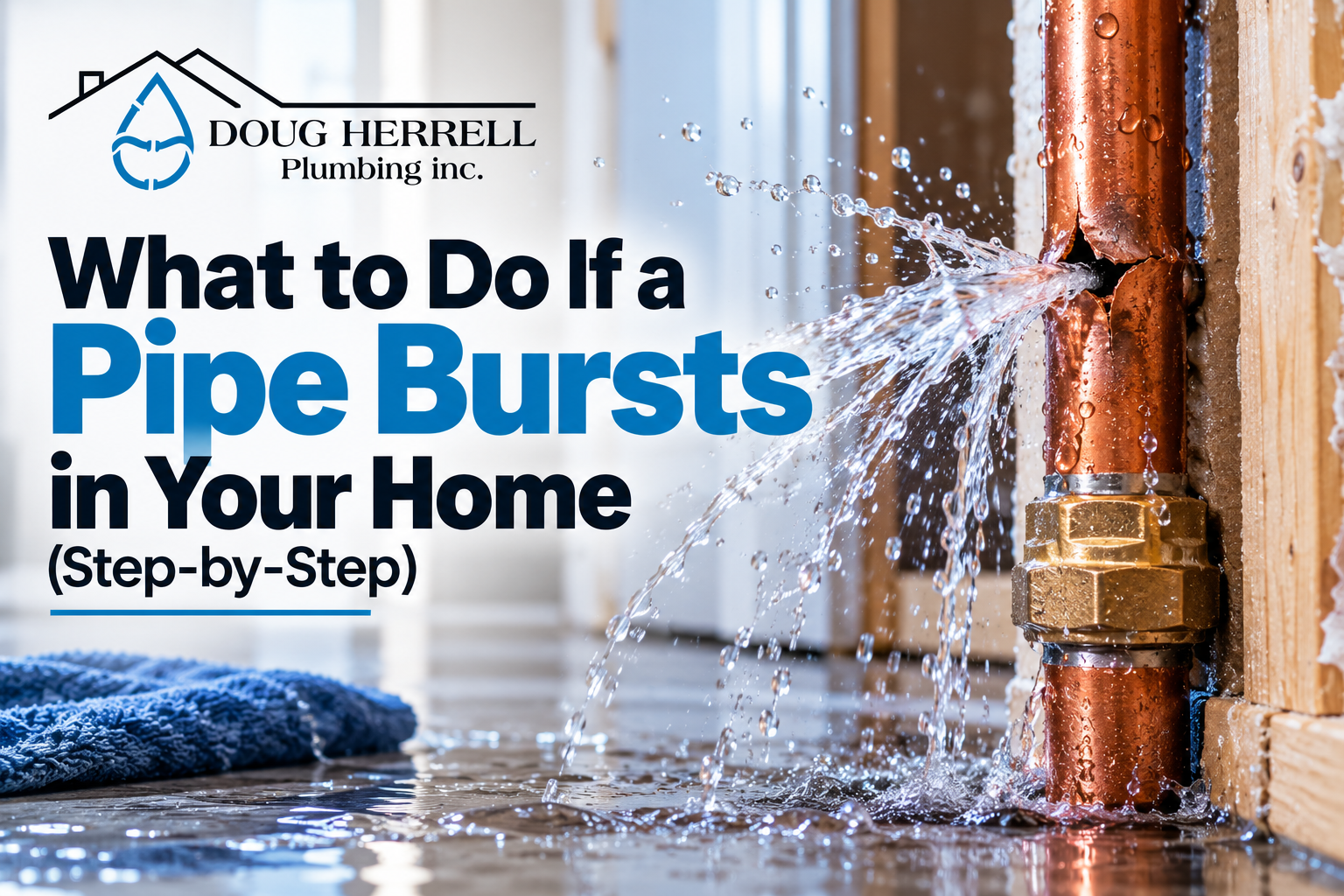
A burst pipe is one of the most stressful plumbing emergencies a homeowner can experience. Water can spread through your home in minutes, damaging flooring, drywall, furniture, personal belongings, and even your home’s structural components. The longer water continues flowing, the more expensive the repairs often become.
While a burst pipe can happen unexpectedly, knowing what to do in those first few minutes can significantly reduce the amount of damage. Acting quickly helps protect your home, limits repair costs, and makes it easier for a plumber to fix the problem once they arrive.
Although every plumbing emergency is different, there are several important steps every homeowner should take immediately after discovering a burst pipe. Understanding these steps ahead of time can make a stressful situation much easier to manage.
Turn Off Your Home’s Main Water Supply Immediately
The first and most important thing to do after discovering a burst pipe is shut off your home’s main water supply. This immediately stops additional water from flowing through the damaged pipe and can prevent thousands of gallons of water from flooding your home. Every homeowner should know where the main shut-off valve is located before an emergency happens, whether it’s near the water meter, inside the garage, in a utility room, or where the main water line enters the house. Some homes also have shut-off valves located outside near the street. Turning off the water as quickly as possible can dramatically reduce water damage, limit repair costs, and give you valuable time to assess the situation before your plumber arrives.
Turn Off the Water Heater
After shutting off the main water supply, the next step is turning off your water heater. Gas water heaters should usually be switched to the “Pilot” setting or turned off according to the manufacturer’s instructions, while electric water heaters should be shut off at the circuit breaker. If the water heater continues operating after losing water because of the burst pipe, it can overheat and suffer internal damage. Taking a minute to safely shut it down helps protect one of the most expensive plumbing appliances in your home and prevents additional repair costs once the plumbing system is restored.
Shut Off Electricity if Water Is Near Electrical Components
If water from the burst pipe has reached electrical outlets, appliances, breaker panels, or exposed wiring, your personal safety becomes the top priority. Water conducts electricity, creating a dangerous situation that should never be underestimated. If it is safe to do so, turn off power to the affected area before entering standing water. However, if there is any uncertainty about the safety of the situation, avoid the flooded area altogether and wait for emergency responders or a qualified electrician. Property can be repaired or replaced, but your safety should always come first.
Call a Licensed Plumber
Once the water has been shut off and your home is safe, contact a licensed plumbing company as soon as possible. Burst pipes rarely repair themselves, and delaying repairs usually increases the amount of damage while allowing additional plumbing problems to develop. When speaking with the plumber, explain where the pipe burst occurred, whether the main water supply has already been turned off, and if there is visible flooding or water damage. Providing detailed information allows the plumbing company to arrive prepared with the proper tools, replacement materials, and equipment, helping restore your plumbing system as quickly as possible.
Remove Standing Water Quickly
Even after the water supply has been turned off, standing water continues damaging your home. Hardwood flooring, carpeting, drywall, insulation, cabinets, and furniture begin absorbing moisture almost immediately. Using towels, mops, buckets, wet vacuums, or pumps to remove as much water as possible helps minimize permanent damage while you wait for repairs to begin. Acting quickly also reduces the amount of moisture that can soak into building materials, making the drying process much easier and less expensive.
Move Furniture and Valuable Belongings
If conditions are safe, move furniture, electronics, rugs, family photos, important documents, and other valuable belongings away from the affected area. Water can permanently damage wood furniture, upholstered items, computers, televisions, and sentimental possessions in a surprisingly short amount of time. Even simple steps like placing aluminum foil beneath furniture legs or raising furniture onto blocks can help reduce water damage until cleanup is complete. Protecting valuable belongings early often saves homeowners thousands of dollars in replacement costs.
Begin Drying the Area
Removing standing water is only part of the cleanup process. Moisture can remain trapped inside walls, beneath flooring, and inside insulation long after visible water has disappeared. Open windows if weather conditions allow, and use fans and dehumidifiers to increase airflow throughout the affected area. Proper drying helps reduce the likelihood of mold growth, which can begin developing within 24 to 48 hours after water damage occurs. The sooner moisture is removed from your home, the easier it is to prevent long-term structural damage.
Document the Damage for Insurance
Before extensive cleanup begins, take photographs and videos of every damaged area. Capture images of the burst pipe itself if possible, along with damaged flooring, drywall, furniture, appliances, and personal belongings. These records can be extremely helpful when filing a homeowners insurance claim and documenting the extent of the damage. It’s also a good idea to save receipts for emergency plumbing repairs, water extraction services, drying equipment, and any temporary housing expenses if your home becomes unlivable. Thorough documentation often makes the insurance process much smoother.
Why Pipes Burst
Many homeowners assume freezing temperatures are the only cause of burst pipes, but several factors can lead to pipe failure. Freezing water expands inside pipes, creating tremendous pressure that eventually causes the pipe to crack or split. However, aging plumbing, corrosion, excessive water pressure, accidental damage during remodeling, shifting foundations, and even tree root movement can weaken pipes over time. Understanding why pipes burst helps homeowners recognize potential problems before they turn into plumbing emergencies.
Signs a Pipe May Be About to Burst
Burst pipes often provide warning signs before complete failure occurs. Small leaks, water stains on ceilings or walls, rust-colored water, unusually high water bills, unexplained damp areas, and decreasing water pressure may all indicate a developing problem. Some homeowners also hear banging or knocking noises inside the walls as weakened plumbing begins to fail. Addressing these symptoms early can often prevent extensive water damage and avoid the need for emergency plumbing repairs.
Can a Burst Pipe Be Repaired?
In many situations, a burst pipe can be repaired by replacing only the damaged section of piping. If the rest of the plumbing system remains in good condition, this is often the most cost-effective solution. However, if the pipe burst because the plumbing system is old, heavily corroded, or has experienced multiple previous leaks, your plumber may recommend replacing a larger section of piping or even performing a whole-home repipe. Evaluating the overall condition of the plumbing system helps determine whether a repair or replacement will provide the best long-term value.
Preventing Future Burst Pipes
Although no plumbing system lasts forever, regular maintenance can greatly reduce the chances of another burst pipe. Maintaining proper water pressure helps minimize unnecessary stress on plumbing components, while routine plumbing inspections allow small issues to be identified before they become major repairs. Insulating exposed pipes in unheated spaces provides additional protection during cold weather, and replacing aging galvanized plumbing before repeated leaks develop can prevent future emergencies. Investing in preventative maintenance is almost always less expensive than dealing with extensive water damage after a pipe bursts.
Why Acting Quickly Matters
When a pipe bursts, every minute counts. Water spreads rapidly through drywall, insulation, flooring, cabinets, and structural framing, increasing repair costs the longer it remains inside the home. Fast action not only limits water damage but also reduces the risk of mold growth, wood rot, and structural deterioration. Shutting off the water supply, beginning cleanup immediately, and contacting a licensed plumber as quickly as possible gives homeowners the best chance of minimizing damage and restoring their home with fewer repairs.
Frequently Asked Questions
What should I do first if a pipe bursts?
The first step is to shut off your home’s main water supply immediately. Stopping the flow of water helps minimize damage and prevents additional flooding while you contact a plumber.
Should I turn off my water heater after a pipe bursts?
Yes. Once the main water supply has been turned off, it’s recommended to turn off your water heater to help prevent damage while the plumbing system is being repaired.
Can I repair a burst pipe myself?
Temporary pipe repair products may slow a leak, but a burst pipe should be repaired by a licensed plumber to ensure the plumbing system is restored safely and correctly.
Will homeowners insurance cover a burst pipe?
Many homeowners insurance policies cover sudden and accidental water damage caused by a burst pipe, although coverage varies by policy. It’s always best to contact your insurance provider to understand what is covered.
How long does it take to repair a burst pipe?
Minor burst pipe repairs can often be completed within a few hours. More extensive damage involving hidden pipes, water damage restoration, or older plumbing systems may take longer.
How can I prevent pipes from bursting?
Regular plumbing inspections, maintaining safe water pressure, insulating exposed pipes, repairing small leaks promptly, and replacing aging plumbing can all help reduce the risk of burst pipes.
Acting Quickly Can Minimize Damage and Protect Your Home
A burst pipe can be overwhelming, but knowing exactly how to respond can significantly reduce the damage to your home and the cost of repairs. Quickly shutting off the main water supply, protecting your belongings, documenting the damage, and contacting a licensed plumber are the most important steps you can take during a plumbing emergency. While burst pipes can never be predicted with complete certainty, regular plumbing inspections and preventative maintenance can greatly reduce the likelihood of unexpected failures. By acting quickly and addressing small plumbing issues before they become larger problems, homeowners can protect their property, avoid unnecessary expenses, and keep their plumbing system operating reliably for years to come.
What’s Next?
Doug Herrell Plumbing is a trusted leader in Brevard County, Florida, specializing in slab leak detection and re-piping services. Call us today for a free estimate before a slab leak causes unnecessary damage to your property.
About Doug Herrell Plumbing – lic#CFC 048487
Doug Herrell Plumbing has been Brevard County’s source for plumbing services since 1980. We are a family owned and operated business and take tremendous pride in providing honest and reliable plumbing services at an affordable price.
CALL 321-254-0004
Serving Melbourne, Palm Bay, Viera, Suntree, Titusville, Merritt Island, Melbourne Beach, Indialantic, Indian Harbour Beach, Cape Canaveral, Satellite Beach, Rockledge, West Melbourne, Cocoa, and Cocoa Beach.
Table of Contents
- Turn Off Your Home’s Main Water Supply Immediately
- Turn Off the Water Heater
- Shut Off Electricity if Water Is Near Electrical Components
- Call a Licensed Plumber
- Remove Standing Water Quickly
- Move Furniture and Valuable Belongings
- Begin Drying the Area
- Document the Damage for Insurance
- Why Pipes Burst
- Signs a Pipe May Be About to Burst
- Can a Burst Pipe Be Repaired?
- Preventing Future Burst Pipes
- Why Acting Quickly Matters
- Frequently Asked Questions
- Acting Quickly Can Minimize Damage and Protect Your Home
- What’s Next?
- Table of Contents