If you’ve ever turned on a faucet or flushed a toilet and heard banging, rattling, or whistling coming from your walls, you’re not alone. Noisy pipes are a very common issue in homes, and while they might seem harmless at first, they can actually be a sign of underlying plumbing problems.
Some pipe noises are minor and easy to fix, while others can point to more serious issues like high water pressure, loose pipes, or worn-out components. The key is understanding what kind of noise you’re hearing and what’s causing it.
Let’s break down the most common reasons your pipes make noise when you turn on water—and what you can do to fix it.
What Causes Pipes to Make Noise?
Your plumbing system is designed to move water smoothly and quietly through your home. When everything is working properly, you shouldn’t hear much more than a slight rush of water.
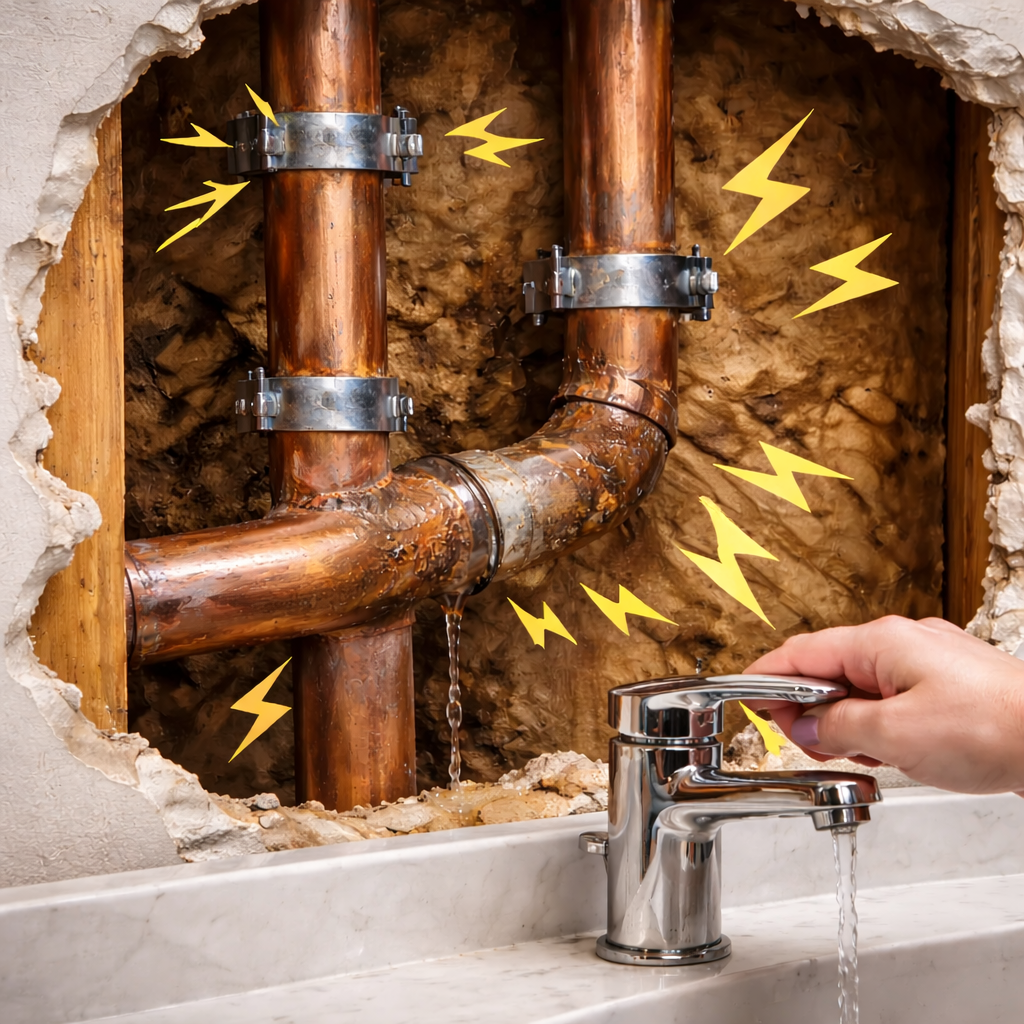
But when something disrupts that flow—like pressure changes, air pockets, or loose pipes—it creates vibrations. Those vibrations travel through your pipes and walls, which is what you hear as banging, knocking, or whistling.
Different sounds usually point to different problems, so identifying the type of noise is the first step.
Banging or Knocking Sounds (Water Hammer)
One of the most common and noticeable noises is a loud banging or knocking sound, often referred to as “water hammer.”
This happens when water flow suddenly stops or changes direction. For example, when you quickly turn off a faucet or when a washing machine shuts off its water supply, the moving water has nowhere to go. It slams into the pipe walls, creating a shockwave.
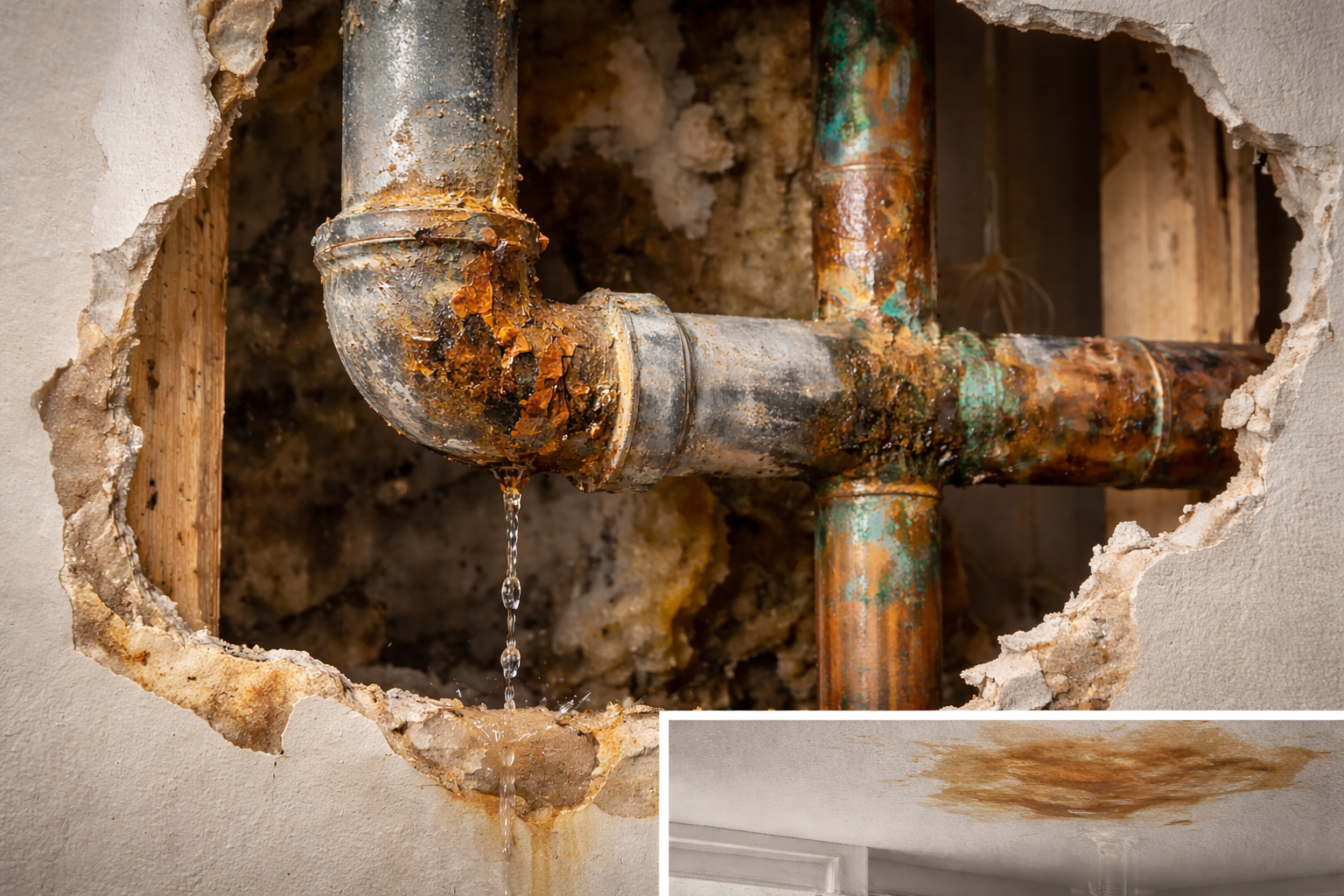
Over time, water hammer can actually damage your pipes, loosen connections, and even lead to leaks.
How to Fix Water Hammer
Fixing water hammer usually involves installing or repairing air chambers or water hammer arrestors. These devices absorb the shock and prevent the banging noise.
In some cases, high water pressure is making the problem worse, so adjusting your pressure regulator can also help.
Rattling or Vibrating Pipes
If your pipes sound like they’re shaking or vibrating when you turn on the water, it’s often due to loose pipes.
Pipes are typically secured behind walls or under floors, but over time, brackets can loosen or pipes may shift slightly. When water flows through them, they move and hit surrounding materials, causing that rattling sound.
How to Fix Loose Pipes
The fix usually involves securing the pipes with proper brackets or cushioning materials. This helps stabilize them and reduces movement when water flows through.
In some cases, accessing the pipes may require opening a wall, especially if the noise is coming from inside.
Whistling or Screeching Sounds
A high-pitched whistling or screeching noise is usually related to a restriction in your plumbing system.
This can be caused by:
- Worn-out washers or valves
- Partially closed shut-off valves
- Mineral buildup inside fixtures
When water is forced through a narrow or restricted space, it creates that whistling sound.
How to Fix Whistling Pipes
Start by checking your fixtures. Replacing worn washers or cartridges in faucets is often a quick and inexpensive fix.
If the issue is coming from a valve, make sure it’s fully open. In some cases, you may need to replace the valve entirely.
Clicking or Ticking Sounds
Clicking or ticking noises often happen when pipes expand and contract.
When hot water flows through your pipes, they expand slightly. As they move against framing or supports, they can create a ticking sound. This is usually harmless but can be annoying.
How to Fix Expansion Noises
Adding insulation around pipes or adjusting how they’re secured can reduce these sounds. This allows the pipes to expand and contract without rubbing against other materials.
Air in the Pipes
If your pipes are making sputtering or gurgling noises, it could mean there’s air trapped in your system.
Air pockets can disrupt water flow, causing uneven pressure and strange noises when you turn on a faucet.
How to Fix Air in Pipes
In many cases, you can fix this by turning off your main water supply, opening all faucets in your home, and then turning the water back on. This helps flush out trapped air.
If the problem keeps coming back, it may be a sign of a larger issue like a leak or pressure imbalance.
High Water Pressure
High water pressure might seem like a good thing, but it can actually cause a lot of problems—including noisy pipes.
When pressure is too high, water moves through your pipes more forcefully, increasing the chances of vibration, banging, and wear on your plumbing system.
Over time, high pressure can damage pipes, fixtures, and appliances.
How to Fix High Water Pressure
The best way to fix this is by adjusting or installing a pressure regulator. Ideally, your home’s water pressure should be between 40 and 60 PSI.
If you’re not sure what your pressure is, a simple gauge can help you check.
Worn-Out Plumbing Components
Sometimes the noise isn’t coming from the pipes themselves but from components within your plumbing system.
Old valves, loose washers, or failing fixtures can all create noise when water flows through them. These parts wear out over time and may need to be replaced.
When Noisy Pipes Are a Bigger Problem
While some pipe noises are harmless, others shouldn’t be ignored.
You should take the issue seriously if:
- The noise is getting louder over time
- You hear banging or knocking frequently
- You notice leaks or water damage
- Your water pressure is inconsistent
These signs often point to underlying issues that can lead to more serious plumbing problems if left untreated.
Can Noisy Pipes Cause Damage?
Yes, they can. While a small amount of noise might not seem like a big deal, ongoing vibration and pressure changes can weaken your pipes over time.
Water hammer, in particular, can cause joints to loosen and pipes to crack. Loose pipes can rub against surfaces and wear down. High pressure can stress your entire system.
Fixing the issue early can help you avoid costly repairs down the road.
How a Professional Plumber Can Help
If you’re not sure what’s causing the noise, a professional plumber can inspect your system and pinpoint the problem quickly.
They can check your water pressure, inspect your pipes, and recommend the best solution—whether that’s securing pipes, replacing worn parts, or installing pressure control devices.
Noisy Pipes Are More Than Just An Annoyance
Noisy pipes are more than just an annoyance—they’re often your plumbing system’s way of telling you something isn’t right.
Whether it’s water hammer, loose pipes, air in the system, or high pressure, identifying the cause is the first step to fixing the problem.
The good news is that most of these issues can be resolved with the right approach. If your pipes are making noise every time you turn on the water, it’s worth taking a closer look before it turns into something bigger.
Fixing the problem now can protect your plumbing system, improve your home’s comfort, and give you peace of mind every time you turn on the tap.
What’s Next?
Doug Herrell Plumbing is a trusted leader in Brevard County, Florida, specializing in slab leak detection and re-piping services. Call us today for a free estimate before a slab leak causes unnecessary damage to your property.
About Doug Herrell Plumbing – lic#CFC 048487
Doug Herrell Plumbing has been Brevard County’s source for plumbing services since 1980. We are a family owned and operated business and take tremendous pride in providing honest and reliable plumbing services at an affordable price.
CALL 321-254-0004
Serving Melbourne, Palm Bay, Viera, Suntree, Titusville, Merritt Island, Melbourne Beach, Indialantic, Indian Harbour Beach, Cape Canaveral, Satellite Beach, Rockledge, West Melbourne, Cocoa, and Cocoa Beach.