What Is the Recommended Hot Water Heater Temperature?
Most homeowners never think about their water heater temperature until something feels wrong. If the water is too hot, it can cause burns. If it is too cool, it may not clean dishes well or kill bacteria. Finding the right balance is important for both safety and efficiency.
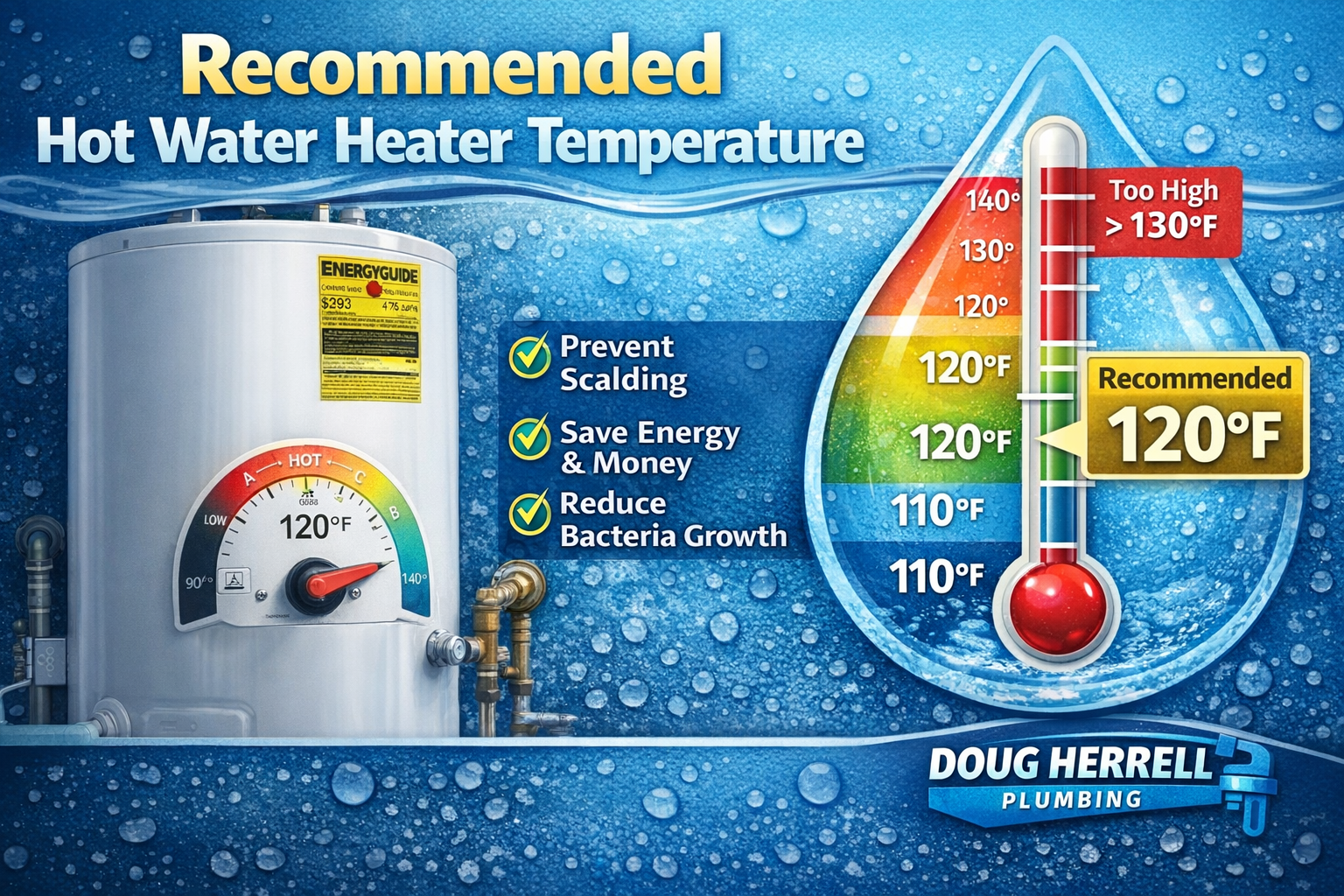
For most homes, the recommended hot water heater temperature is 120 degrees Fahrenheit. This temperature is widely recommended by safety organizations and energy experts because it provides hot water while reducing the risk of scalding and lowering energy costs.
Setting your water heater correctly can help protect your family, extend the life of your plumbing system, and reduce your monthly energy bill.
Why 120 Degrees Is the Recommended Setting
Many experts recommend 120°F as the ideal water heater temperature because it provides enough heat for daily tasks while reducing safety risks. Water at this temperature is still hot enough for showers, dishwashing, and laundry, but it is less likely to cause burns.
According to the U.S. Department of Energy, lowering your water heater temperature from 140°F to 120°F can also save energy and reduce heating costs. You can learn more about energy recommendations for water heaters at https://www.energy.gov.
Lower temperatures also slow the buildup of minerals and sediment inside the water heater tank, which can help extend the life of the appliance.
The Risk of Water That Is Too Hot
Water that is too hot can be dangerous, especially for children and older adults. When water heater temperatures are set too high, burns can happen very quickly.
Water at 140°F can cause severe burns in just a few seconds. This is why many plumbers and safety organizations recommend keeping the temperature lower.
Accidental scalding is one of the most common household injuries related to hot water. Lowering the temperature to 120°F helps reduce this risk while still providing comfortable hot water for daily use.
The Problem With Water That Is Too Cold
While very hot water can be dangerous, water that is too cool can also create problems. If the temperature is set too low, it may not effectively remove grease from dishes or sanitize laundry.
Water that is too cool may also allow bacteria to grow inside the tank. Some bacteria thrive in warm environments where the temperature is not high enough to kill them.
This is why most experts agree that around 120°F provides the best balance between safety, cleanliness, and efficiency.
How Water Heater Temperature Affects Energy Costs
Water heaters use a significant amount of energy in many homes. Heating water accounts for a large portion of monthly utility bills. When the temperature is set too high, the heater has to work harder to maintain that heat.
Lowering the water heater temperature even slightly can reduce energy usage. When the thermostat is set to 120°F instead of 140°F, the heater uses less energy to keep water hot.
This can result in noticeable savings over time while still providing enough hot water for household needs.
How to Check Your Water Heater Temperature
Many water heaters have a temperature dial or thermostat that allows you to adjust the heat level. However, the markings on the dial may not show the exact temperature.
Some water heaters label settings as “low,” “medium,” or “hot” rather than displaying numbers. In these cases, the “medium” setting is often close to the recommended 120°F temperature.
To confirm the actual temperature, you can run hot water from a faucet for a few minutes and then measure the temperature using a kitchen thermometer. This simple test can help ensure your water heater is set correctly.
Adjusting the Temperature on Your Water Heater
If you find that your water heater is set too high or too low, you can adjust the thermostat. Electric water heaters usually have thermostats behind access panels on the tank, while gas water heaters often have a dial near the bottom of the unit.
It is important to make small adjustments and test the temperature again before making further changes. Turning the temperature too high can increase the risk of burns and damage plumbing components.
If you are unsure how to adjust your water heater safely, a professional plumber can help.
Why Sediment Buildup Matters
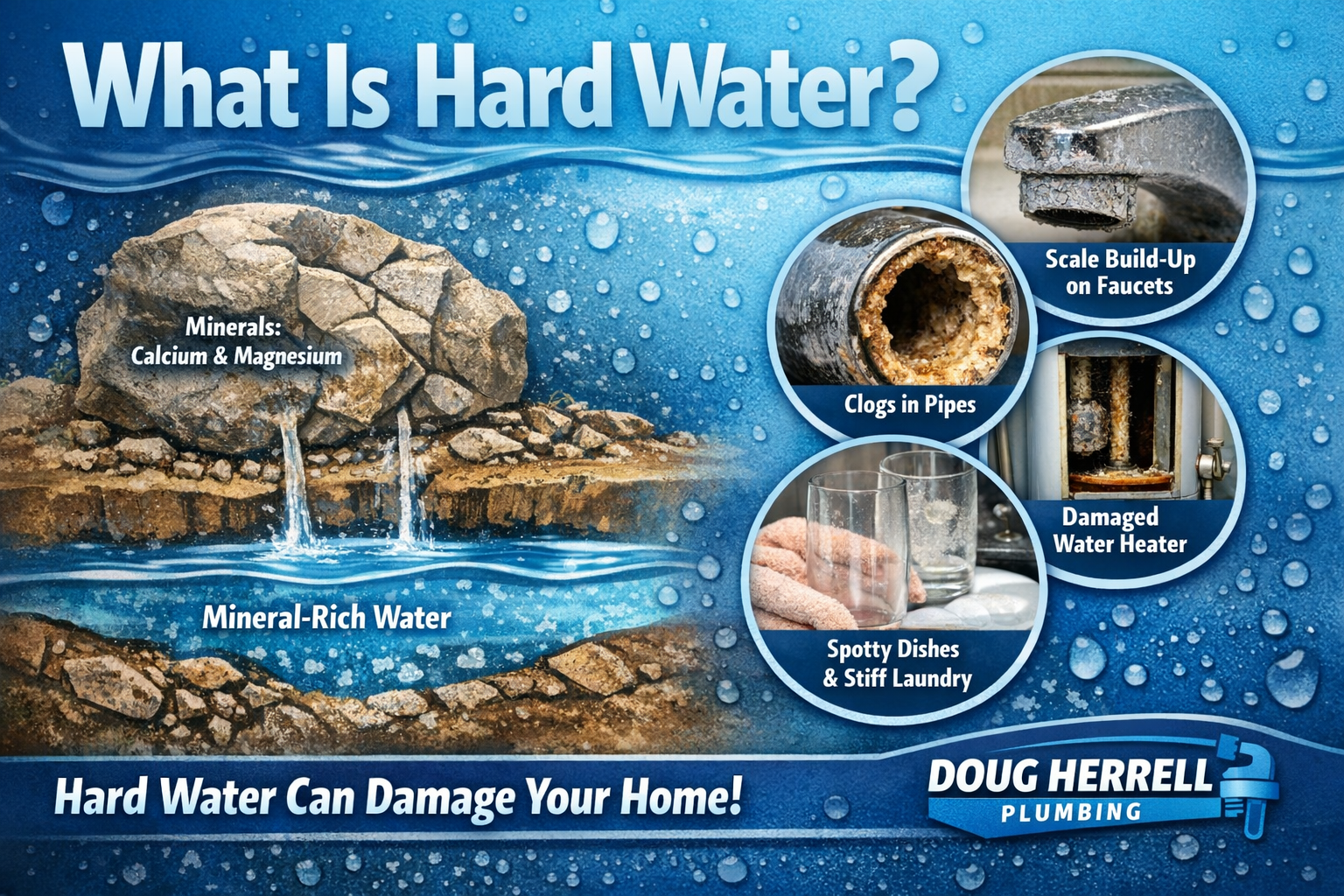
Water heaters naturally collect sediment over time, especially in areas with hard water. Minerals like calcium and magnesium settle at the bottom of the tank as the water heats up.
This sediment layer can make the heater less efficient and may cause strange noises such as popping or rumbling sounds. It can also reduce the amount of hot water available in the tank.
Keeping the water heater at the recommended temperature and flushing the tank periodically can help reduce sediment buildup and improve efficiency.
Water Heater Temperature and Plumbing Lifespan
Setting the water heater temperature too high can put extra stress on your plumbing system. High heat can increase pressure inside pipes and cause components like valves and fittings to wear out faster.
Lower temperatures reduce strain on plumbing materials and appliances that rely on hot water. This helps extend the lifespan of your water heater, pipes, and fixtures.
Maintaining the proper temperature is one of the easiest ways to protect your plumbing system from unnecessary damage.
Special Situations Where Higher Temperatures May Be Needed
While 120°F is recommended for most homes, some situations may require slightly higher temperatures. Homes with dishwashers that do not have built-in heating elements may benefit from slightly hotter water.
Some health experts also recommend higher temperatures in homes with weakened immune systems to reduce bacteria risks. In these cases, homeowners may install mixing valves that blend hot and cold water to reduce the temperature at faucets.
A professional plumber can help determine the best setting for your specific home and household needs.
Tankless Water Heater Temperature Settings
Tankless water heaters also have temperature settings that should be adjusted properly. Many tankless systems allow precise digital temperature control.
Just like traditional tank heaters, most homes find that a setting around 120°F provides comfortable hot water without excessive energy use.
Tankless systems heat water only when needed, which can improve efficiency while still delivering consistent hot water.
Signs Your Water Heater Temperature May Be Incorrect
Sometimes homeowners notice problems that indicate the water heater temperature is not set correctly. Water that feels extremely hot when first turned on may suggest the temperature is too high.
On the other hand, if showers quickly become lukewarm or dishes do not clean properly, the temperature may be set too low.
Other signs may include fluctuating temperatures, strange noises from the tank, or unusually high energy bills.
If you notice these issues, it may be time to check your water heater settings or schedule a plumbing inspection.
How Professional Plumbing Services Can Help
Adjusting the water heater temperature is sometimes simple, but other problems may require professional attention. If your water heater is not maintaining the correct temperature or producing enough hot water, there may be an underlying issue.
Professional plumbers can inspect the heater, check the thermostat, remove sediment buildup, and ensure the system is operating efficiently.
Doug Herrell Plumbing provides water heater services for homeowners throughout Melbourne and Brevard County. Their team can inspect your system, adjust settings, and recommend solutions that improve both safety and efficiency.
When to Replace Your Water Heater
If your water heater is more than ten years old and struggling to maintain the right temperature, replacement may be the best option. Older heaters often lose efficiency and may develop internal corrosion or sediment buildup.
Newer models are designed to be more energy efficient and often provide more reliable temperature control.
A plumber can help determine whether repair or replacement is the better choice for your home.
Frequently Asked Questions About Water Heater Temperature
What is the best temperature for a hot water heater?
Most experts recommend setting the water heater to 120 degrees Fahrenheit for safety and energy efficiency.
Is 140 degrees too hot for a water heater?
Yes, 140°F is considered too hot for most homes because it increases the risk of scalding injuries and higher energy costs.
Why does my hot water feel too hot?
Your water heater thermostat may be set too high, or the temperature control may need adjustment.
Does lowering water heater temperature save money?
Yes. Lowering the temperature reduces energy usage and can help lower monthly utility bills.
How do I check my water heater temperature?
Run hot water from a faucet for a few minutes and measure the temperature with a thermometer.
Should tankless water heaters also be set to 120 degrees?
Yes, most tankless systems work best around 120°F for safety and comfort.
Water Heater Temperature – Important Step to Protecting Your Home
Setting the correct water heater temperature is an important step in protecting your home and improving energy efficiency. The recommended setting of 120°F provides enough hot water for daily use while reducing the risk of burns and lowering energy costs.
Regular maintenance, proper temperature settings, and professional inspections can help ensure your water heater operates safely and efficiently for years to come.
If you are unsure about your water heater settings or need help with repairs, Doug Herrell Plumbing provides professional plumbing services throughout Melbourne and Brevard County. Their team can help keep your water heater running safely and efficiently while protecting your home’s plumbing system.
What’s Next?
Doug Herrell Plumbing is a trusted leader in Brevard County, Florida, specializing in slab leak detection and re-piping services. Call us today for a free estimate before a slab leak causes unnecessary damage to your property.
About Doug Herrell Plumbing – lic#CFC 048487
Doug Herrell Plumbing has been Brevard County’s source for plumbing services since 1980. We are a family owned and operated business and take tremendous pride in providing honest and reliable plumbing services at an affordable price.
CALL 321-254-0004
Serving Melbourne, Palm Bay, Viera, Suntree, Titusville, Merritt Island, Melbourne Beach, Indialantic, Indian Harbour Beach, Cape Canaveral, Satellite Beach, Rockledge, West Melbourne, Cocoa, and Cocoa Beach.
Table of Contents
- What Is the Recommended Hot Water Heater Temperature?
- Why 120 Degrees Is the Recommended Setting
- The Risk of Water That Is Too Hot
- The Problem With Water That Is Too Cold
- How Water Heater Temperature Affects Energy Costs
- How to Check Your Water Heater Temperature
- Adjusting the Temperature on Your Water Heater
- Why Sediment Buildup Matters
- Water Heater Temperature and Plumbing Lifespan
- Special Situations Where Higher Temperatures May Be Needed
- Tankless Water Heater Temperature Settings
- Signs Your Water Heater Temperature May Be Incorrect
- How Professional Plumbing Services Can Help
- When to Replace Your Water Heater
- Frequently Asked Questions About Water Heater Temperature
- Water Heater Temperature – Important Step to Protecting Your Home
- What’s Next?
- Table of Contents
continue reading