A clogged drain can be frustrating. When water backs up in your sink, shower, or tub, it can slow down your whole day. Many homeowners try chemicals first, but those don’t always work and can sometimes damage pipes. A drain snake is one of the safest and most effective tools for clearing clogs.
Knowing how to use a drain snake the right way can help you remove blockages without harming your plumbing.
What Is a Drain Snake?
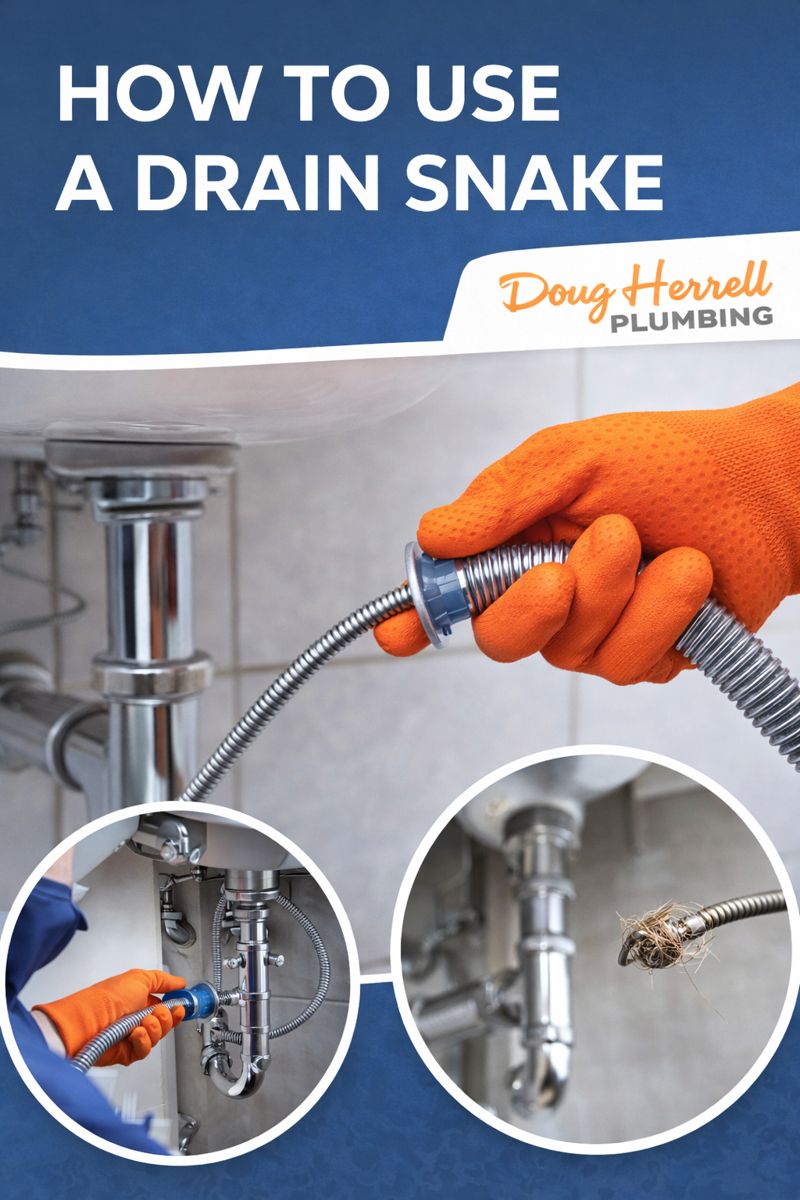
A drain snake, also called a plumbing auger, is a long, flexible metal cable used to break up or pull out clogs inside pipes. At the end of the cable is a small hook or coil that grabs hair, soap buildup, food, or debris.
Drain snakes come in different sizes. Small hand-held snakes work well for sinks and tubs. Larger drum augers are used for deeper clogs in main drain lines. For most homeowners, a basic hand drain snake is enough for common bathroom or kitchen clogs.
When Should You Use a Drain Snake?
A drain snake works best when water is draining slowly or not draining at all. It is especially helpful for clogs caused by hair, soap scum, grease, or small food particles.
Drain snakes are commonly used for bathroom sinks, tubs, showers, and kitchen sinks. They are not meant for toilets unless you are using a toilet-specific auger designed to protect the porcelain.
If multiple drains are clogged at the same time, the issue may be deeper in the plumbing system and may require professional help.
Tools You’ll Need Before You Start
Before using a drain snake, gather a few basic items. You will need a drain snake, rubber gloves, a bucket, and a towel. If you are working under a sink, having a flashlight can also help.
Wearing gloves is important because drain clogs often contain bacteria and debris. Placing a towel or bucket under the drain helps catch water that may spill out.
Step-by-Step: How to Use a Drain Snake
Step 1: Remove the Drain Cover
Start by removing the drain cover or stopper. In bathroom sinks, the stopper may lift out or need to be unscrewed. In tubs, you may need to remove the overflow plate to access the drain.
Set all parts aside so they don’t fall into the drain.
Step 2: Insert the Drain Snake
Slowly push the end of the snake into the drain opening. Do not force it. Let the cable slide naturally into the pipe.
If you feel resistance early, gently twist the handle to help the snake move through bends in the pipe.
Step 3: Rotate the Handle
Once the snake reaches the clog, turn the handle clockwise. This motion helps the coil grab onto hair or break through buildup.
You may feel the resistance change when the snake catches something. Continue turning slowly to secure the debris.
Step 4: Pull the Snake Out
Carefully pull the snake back out of the drain. Move slowly to avoid splashing dirty water.
You will often see hair, soap scum, or debris wrapped around the end. Wipe the snake clean with a towel or paper towel.
Step 5: Test the Drain
After removing the clog, run hot water down the drain for several minutes. This helps flush out remaining debris and confirms that water is flowing freely.
If the drain still moves slowly, you may need to repeat the process once or twice.
Common Mistakes to Avoid
One common mistake is forcing the snake too hard. Pushing aggressively can damage pipes or push the clog deeper. Always work slowly and gently.
Another mistake is using chemical drain cleaners before snaking. Chemicals can remain in the pipe and splash back, causing burns or injuries.
Using the wrong tool is also a problem. Never use a standard drain snake in a toilet unless it is made specifically for toilet use.
When a Drain Snake Won’t Work
Drain snakes are great for simple clogs near the drain opening. However, they may not work for deeper blockages, heavy grease buildup, or tree roots in sewer lines.
If water backs up into multiple fixtures or drains, the clog is likely in the main sewer line. In those cases, snaking alone is usually not enough.
When to Call a Professional Plumber
You should call a plumber if:
- The clog keeps coming back
• Multiple drains are backed up
• You smell sewage
• Water is backing up into tubs or showers
• Snaking does not improve drainage
Professional plumbers use advanced equipment such as motorized augers and hydro jetting to fully clear pipes without damage.
Why Professional Drain Cleaning Is Safer
While drain snakes are helpful for minor clogs, professional drain cleaning removes buildup completely. Over time, grease, soap, and debris coat the inside of pipes, causing repeated clogs.
Professional cleaning restores full flow and helps prevent future blockages. It also protects pipes from damage caused by repeated chemical use.
Frequently Asked Questions About Using a Drain Snake
What types of clogs can a drain snake remove?
Drain snakes work best on hair, soap scum, food particles, and small debris.
Can a drain snake damage pipes?
If used gently, it is safe. Forcing the snake can damage older or fragile pipes.
Can I use a drain snake in the toilet?
Only if it is a toilet auger. Standard snakes can crack porcelain.
How far should I push the drain snake?
Push until you feel resistance. Most sink clogs are within a few feet of the drain.
Is a drain snake better than drain cleaner?
Yes. Snakes physically remove clogs instead of using harsh chemicals.
How often should drains be cleaned?
Regular maintenance every year or two helps prevent major clogs.
Clearing a Drain Safely Starts With the Right Tools
A drain snake is one of the best tools homeowners can use for minor drain clogs. When used properly, it can clear hair, soap buildup, and debris without damaging pipes. Working slowly, avoiding chemicals, and knowing when to stop are the keys to success.
If clogs keep returning or multiple drains are affected, it’s best to have a professional plumber inspect the system. Proper drain cleaning not only restores flow but helps protect your plumbing long term.
If your drains aren’t draining the way they should, professional service can make the difference between a temporary fix and a lasting solution.
What’s Next?
Doug Herrell Plumbing is a trusted leader in Brevard County, Florida, specializing in slab leak detection and re-piping services. Call us today for a free estimate before a slab leak causes unnecessary damage to your property.
About Doug Herrell Plumbing – lic#CFC 048487
Doug Herrell Plumbing has been Brevard County’s source for plumbing services since 1980. We are a family owned and operated business and take tremendous pride in providing honest and reliable plumbing services at an affordable price.
CALL 321-254-0004
Serving Melbourne, Palm Bay, Viera, Suntree, Titusville, Merritt Island, Melbourne Beach, Indialantic, Indian Harbour Beach, Cape Canaveral, Satellite Beach, Rockledge, West Melbourne, Cocoa, and Cocoa Beach.
continue reading