Remove the Drain From a Bathtub
Removing a bathtub drain may sound intimidating, but in many cases, it’s a manageable project for homeowners with the right tools and instructions. Whether you’re dealing with a clogged drain, replacing old hardware, or preparing for a bathtub renovation, knowing how to remove the drain properly can save time, money, and frustration. That said, bathtub drains come in several different styles, and removing them incorrectly can damage your tub or plumbing.
This guide walks you through everything you need to know about removing a bathtub drain. You’ll learn how to identify your drain type, what tools you’ll need, how to remove the drain safely, and what to do if it’s stuck. By the end, you’ll know whether this is a DIY job or something better left to a professional plumber.
Why You Might Need to Remove a Bathtub Drain
There are several reasons homeowners remove bathtub drains. One of the most common reasons is a stubborn clog that can’t be cleared from above. Hair, soap scum, and debris often build up deep in the drainpipe, making removal necessary for proper cleaning. Another common reason is replacing old or damaged drain hardware that has become rusty, loose, or outdated.
Bathtub renovations also require drain removal, especially if you’re refinishing the tub, replacing plumbing, or upgrading fixtures. In older homes, drains may need to be removed to inspect or replace deteriorating pipes underneath the tub.
Types of Bathtub Drains (Know Before You Start)
Before removing a bathtub drain, it’s important to identify what type you’re working with. Each type is removed slightly differently, and using the wrong method can cause damage.
Toe-Touch (Push-Pull) Drain
This type opens and closes when you press it with your foot. It usually unscrews from the drain flange after removing the top cap.
Lift-and-Turn Drain
This drain has a small knob that you lift and turn to open. A set screw holds the knob in place, which must be loosened before removal.
Trip Lever Drain
This style has a lever on the overflow plate above the tub drain. The drain stopper is connected to an internal linkage system and is removed through the overflow, not by twisting the drain itself.
Flip-It or Snap-In Drain
These are newer, tool-free drains that often pull straight out once unlocked or twisted slightly.
For a helpful visual guide to drain types, Home Depot offers a clear overview here:
https://www.homedepot.com/c/ab/types-of-bathtub-drains/9ba683603be9fa5395fab9013f9824e5
Tools You’ll Need to Remove a Bathtub Drain
Having the right tools makes this job much easier. Most bathtub drains can be removed using common plumbing tools, though some stubborn drains require specialty tools.
Common tools include a drain wrench or bathtub drain remover, adjustable pliers, a flathead screwdriver, Allen wrench (for set screws), penetrating oil, and a flashlight. For very old or corroded drains, you may also need a hammer to gently tap the wrench or a heat gun to loosen old plumber’s putty.
A standard drain wrench looks like a dumbbell and fits inside the drain crossbars. You can see an example here:
https://www.lowes.com/pd/Kobalt-Drain-Removal-Wrench/1002645180
Step-by-Step: How to Remove a Bathtub Drain
Step 1: Remove the Drain Stopper
Start by removing the stopper. For lift-and-turn drains, loosen the small set screw under the knob using an Allen wrench. For toe-touch drains, unscrew the top cap by turning it counterclockwise. For trip lever drains, remove the overflow plate and carefully pull out the linkage assembly.
Set all screws and parts aside so they don’t fall into the drain.
Step 2: Inspect the Drain Flange
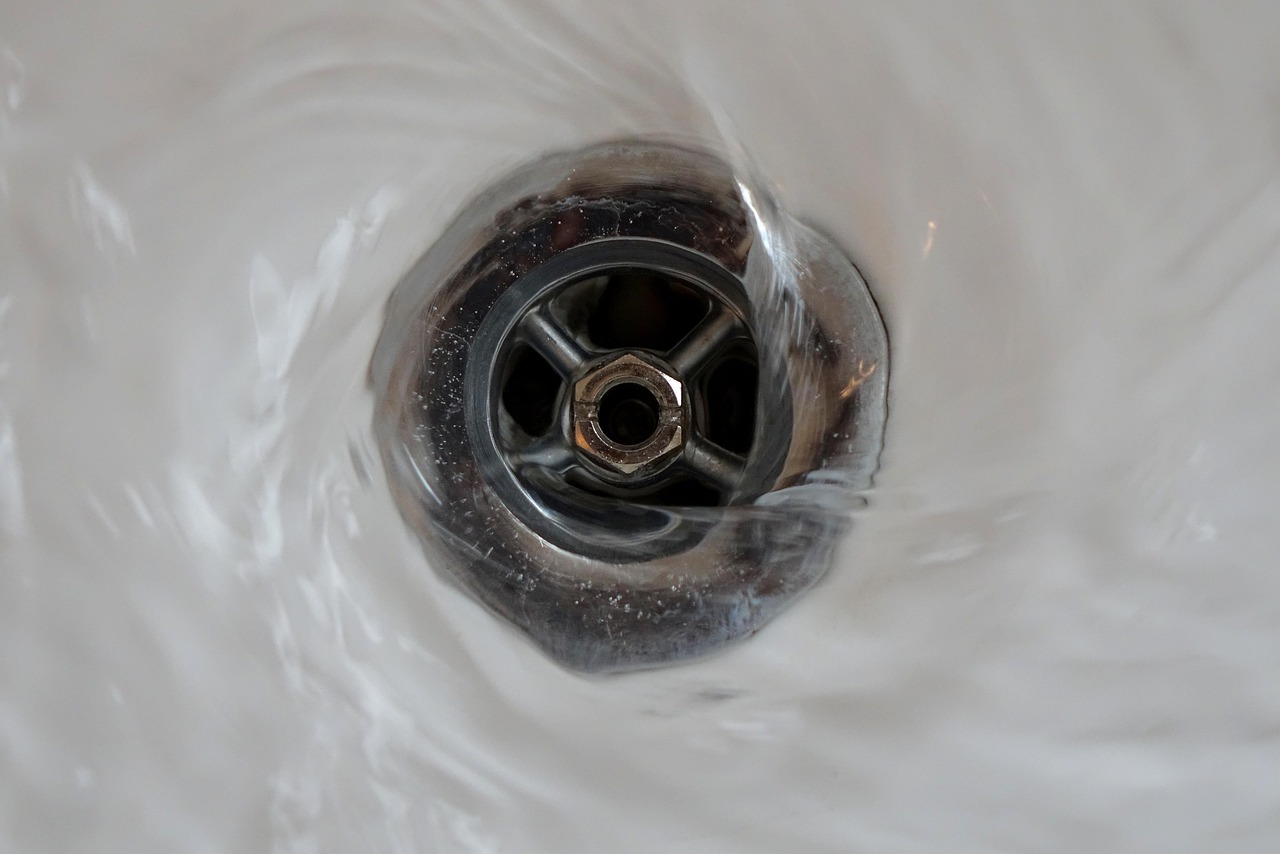
Once the stopper is removed, you’ll see the drain flange inside the tub. Look for crossbars or slots inside the drain opening. These are what you’ll use to turn the drain out of the tub.
If the crossbars are broken or rusted, removal becomes more difficult and may require special tools or professional help.
Step 3: Insert the Drain Wrench
Place the drain wrench into the drain so it fits securely against the crossbars. Make sure it sits snugly and doesn’t wobble. Attach an adjustable wrench or pliers to the drain wrench if needed.
Step 4: Turn Counterclockwise
Slowly turn the drain wrench counterclockwise. Apply steady pressure rather than sudden force. If the drain doesn’t move, stop and apply penetrating oil. Let it soak for 10 to 15 minutes before trying again.
Avoid forcing the drain too hard, as this can crack the tub or damage the drainpipe beneath.
Step 5: Remove the Drain
Once loosened, continue turning the drain by hand until it lifts out completely. You may see old plumber’s putty or silicone around the opening. Scrape this away carefully using a plastic scraper or putty knife.
For more detailed plumbing safety tips, Family Handyman has a useful guide:
https://www.familyhandyman.com/project/how-to-remove-a-bathtub-drain/
What to Do If the Bathtub Drain Is Stuck
Stuck bathtub drains are very common, especially in older homes. Years of corrosion, mineral buildup, and hardened putty can lock a drain in place.
Applying penetrating oil is often the first solution. Gently tapping the drain wrench with a hammer can help break the seal. In extreme cases, plumbers may use internal pipe extractors or carefully cut the drain flange, but this method carries a higher risk of damage.
If the drain won’t budge after multiple attempts, it’s best to stop and call a licensed plumber. Forcing it can break the drainpipe below the tub, leading to expensive repairs.
Reinstalling or Replacing the Bathtub Drain
If you plan to install a new drain, clean the drain opening thoroughly. Apply fresh plumber’s putty or silicone sealant around the new drain flange before threading it in clockwise. Tighten securely, but don’t overtighten.
The manufacturer’s installation instructions should always be followed. Oatey provides a helpful overview of sealing methods here:
https://www.oatey.com/faqs-blog-videos-case-studies/blog/how-install-bathtub-drain
Common Mistakes to Avoid
One of the biggest mistakes homeowners make is using the wrong tool, which can strip or break the drain crossbars. Another common issue is applying too much force, which can crack fiberglass tubs or loosen pipes under the floor.
Skipping drain type identification is another problem. Trip lever drains, in particular, should not be twisted out like standard drains. Doing so can damage the internal linkage.
Finally, forgetting to reseal the new drain properly can lead to leaks under the tub that go unnoticed for months.
When to Call a Plumber Instead
While many bathtub drains can be removed safely by homeowners, some situations call for professional help. If the drain is severely corroded, the crossbars are broken, or the tub is part of a slab foundation, calling a plumber is often the safest choice.
Plumbers also have specialized tools that reduce the risk of damage and can quickly handle stubborn drains that would otherwise turn into all-day projects.
Frequently Asked Questions About Removing a Bathtub Drain
How long does it take to remove a bathtub drain?
In most cases, it takes 15 to 30 minutes. Stuck or corroded drains can take longer.
Can I remove a bathtub drain without a special tool?
Some drains can be removed with pliers, but a drain wrench is strongly recommended to avoid damage.
What direction do you turn a bathtub drain to remove it?
Bathtub drains are removed by turning them counterclockwise.
Why won’t my bathtub drain unscrew?
Corrosion, old plumber’s putty, or damaged crossbars can prevent the drain from turning.
Do I need plumber’s putty when reinstalling a drain?
Yes. Most drains require plumber’s putty or silicone to create a watertight seal.
Can removing a drain cause leaks?
Yes, if the drainpipe underneath is damaged or the new drain is not sealed properly.
Removing A Bathtub Drain Is A Common Plumbing Task
Removing a bathtub drain is a common plumbing task that many homeowners can handle with patience and the right tools. Understanding your drain type, using the proper removal method, and avoiding excessive force are the keys to success. While it can be a straightforward job, stubborn or damaged drains can quickly turn into bigger problems if handled incorrectly.
If you’re unsure at any point or encounter resistance that won’t budge, calling a professional plumber can save time and prevent costly damage. Whether you’re fixing a clog, upgrading fixtures, or remodeling your bathroom, knowing how bathtub drains work gives you confidence and control over your plumbing system.
What’s Next?
Doug Herrell Plumbing is a trusted leader in Brevard County, Florida, specializing in slab leak detection and re-piping services. Call us today for a free estimate before a slab leak causes unnecessary damage to your property.
About Doug Herrell Plumbing – lic#CFC 048487
Doug Herrell Plumbing has been Brevard County’s source for plumbing services since 1980. We are a family owned and operated business and take tremendous pride in providing honest and reliable plumbing services at an affordable price.
CALL 321-254-0004
Serving Melbourne, Palm Bay, Viera, Suntree, Titusville, Merritt Island, Melbourne Beach, Indialantic, Indian Harbour Beach, Cape Canaveral, Satellite Beach, Rockledge, West Melbourne, Cocoa, and Cocoa Beach.
continue reading