How to Read a Water Meter and Know If You Have a Leak
A water meter is a small device that tracks how much water your home uses. Most homeowners never look at their water meter until they get a high water bill or suspect a leak. Learning how to read your water meter is one of the easiest ways to find hidden leaks and avoid costly water damage.
Many leaks are silent and hidden under slabs, in walls, or underground. These leaks can waste thousands of gallons of water and increase your bill without obvious signs. By checking your water meter, you can quickly find out if water is leaking in your home.
What Is a Water Meter and What Does It Do?
A water meter measures the amount of water flowing into your home. It is usually installed near the street in a meter box or near the main water shutoff inside the house. The meter records water usage in gallons or cubic feet and sends that information to your water utility company for billing.
Every time you turn on a faucet, flush a toilet, run the dishwasher, or water the lawn, the meter moves. If the meter moves when no water is being used, it often means there is a leak somewhere in the plumbing system.
Where to Find Your Water Meter
In most homes, the water meter is located in a box near the curb or sidewalk. In some homes, it may be in a basement, garage, or utility room. The meter box usually has a plastic or metal lid that can be lifted to access the meter.
If you are not sure where your meter is, your water utility company can help you find it.
How to Read a Water Meter
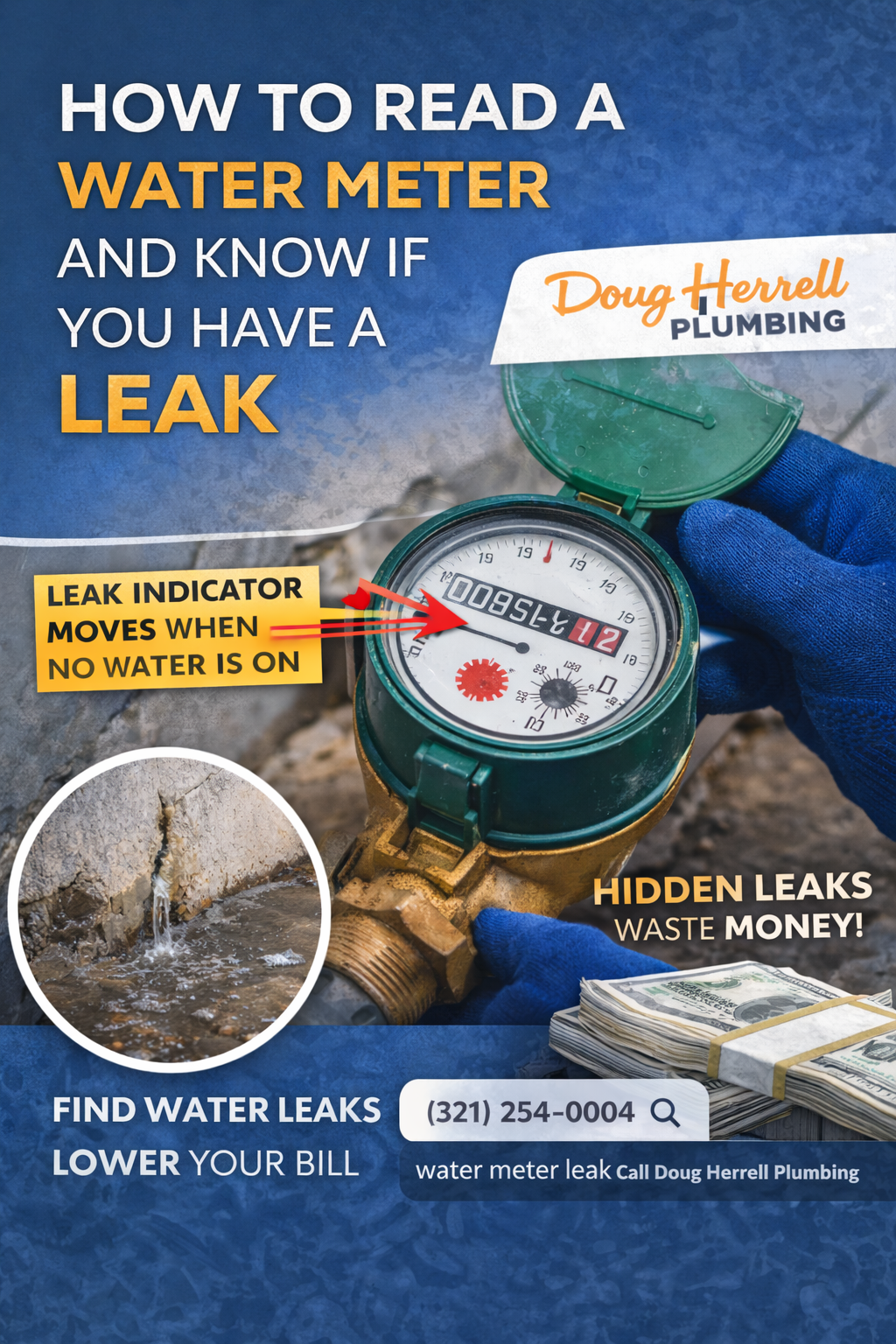
Most water meters have a row of numbers that look similar to a car’s odometer. These numbers show how much water your home has used over time. Some meters also have a small spinning dial or triangle called a leak indicator.
The large numbers show total water usage. The small dial or triangle moves when water is flowing through the meter. If the leak indicator moves when no water is being used, it is a strong sign of a leak.
Some newer meters are digital and show real-time water usage on a screen. These meters may also send alerts if unusual water flow is detected.
How to Check for a Water Leak Using Your Meter
One of the easiest ways to check for a leak is to turn off all water in your home. Make sure no faucets, toilets, sprinklers, washing machines, or appliances are running. Then go outside and look at your water meter.
If the small dial or leak indicator is moving, water is flowing somewhere in your system. This usually means you have a leak. You can also write down the meter reading, wait one or two hours without using any water, and check it again. If the numbers change, water is being used even though nothing was turned on.
This simple test can help you find hidden leaks early before they cause serious damage.
Common Places Where Hidden Leaks Occur
Hidden leaks often happen in places you cannot easily see. Slab leaks can occur in pipes under the concrete foundation. Wall leaks can happen inside walls behind drywall. Underground leaks can occur in the main water line between the meter and the house.
Toilets are also a common source of silent leaks. A worn flapper can allow water to flow constantly into the bowl without making much noise. Irrigation systems and outdoor hoses can also leak underground.
Using your water meter helps you detect these leaks even when you cannot see or hear them.
Signs You May Have a Water Leak
In addition to checking your water meter, there are other signs that may indicate a leak. These include unusually high water bills, the sound of running water when nothing is on, damp spots on floors or walls, mold or mildew smells, cracks in the foundation, and water pooling in the yard.
If you notice any of these signs, it is important to investigate further or call a plumber for professional leak detection.
How Water Meters Help Detect Slab Leaks
Slab leaks happen when a pipe under the concrete foundation breaks or leaks. These leaks are hard to see because the pipes are buried under the slab. A water meter can be one of the first clues that a slab leak exists.
If your meter shows continuous water use when nothing is on, and you cannot find any visible leaks, the problem may be under the slab. Slab leaks can cause foundation damage, mold, and high water bills, so early detection is very important.
Understanding Water Meter Numbers and Units
Water meters usually measure water in gallons or cubic feet. Utility companies use these readings to calculate your bill. The numbers on the meter show total water usage since the meter was installed.
Some meters have different colored numbers. Black numbers usually show whole gallons or cubic feet, while red numbers may show smaller units. The leak indicator is often a small red triangle or star-shaped dial.
Learning what each part of your meter means can help you better understand your water usage and spot leaks quickly.
What to Do If You Think You Have a Leak
If your water meter shows water use when nothing is turned on, the next step is to find the source. You can start by checking toilets, faucets, and outdoor spigots for visible leaks. You can also shut off the main water valve to the house and see if the meter stops moving. If it keeps moving, the leak may be in the main line between the meter and the house.
If you cannot find the leak, it is best to call a professional plumber. Plumbers use advanced leak detection tools to find hidden leaks without damaging your home.
Professional Leak Detection Services
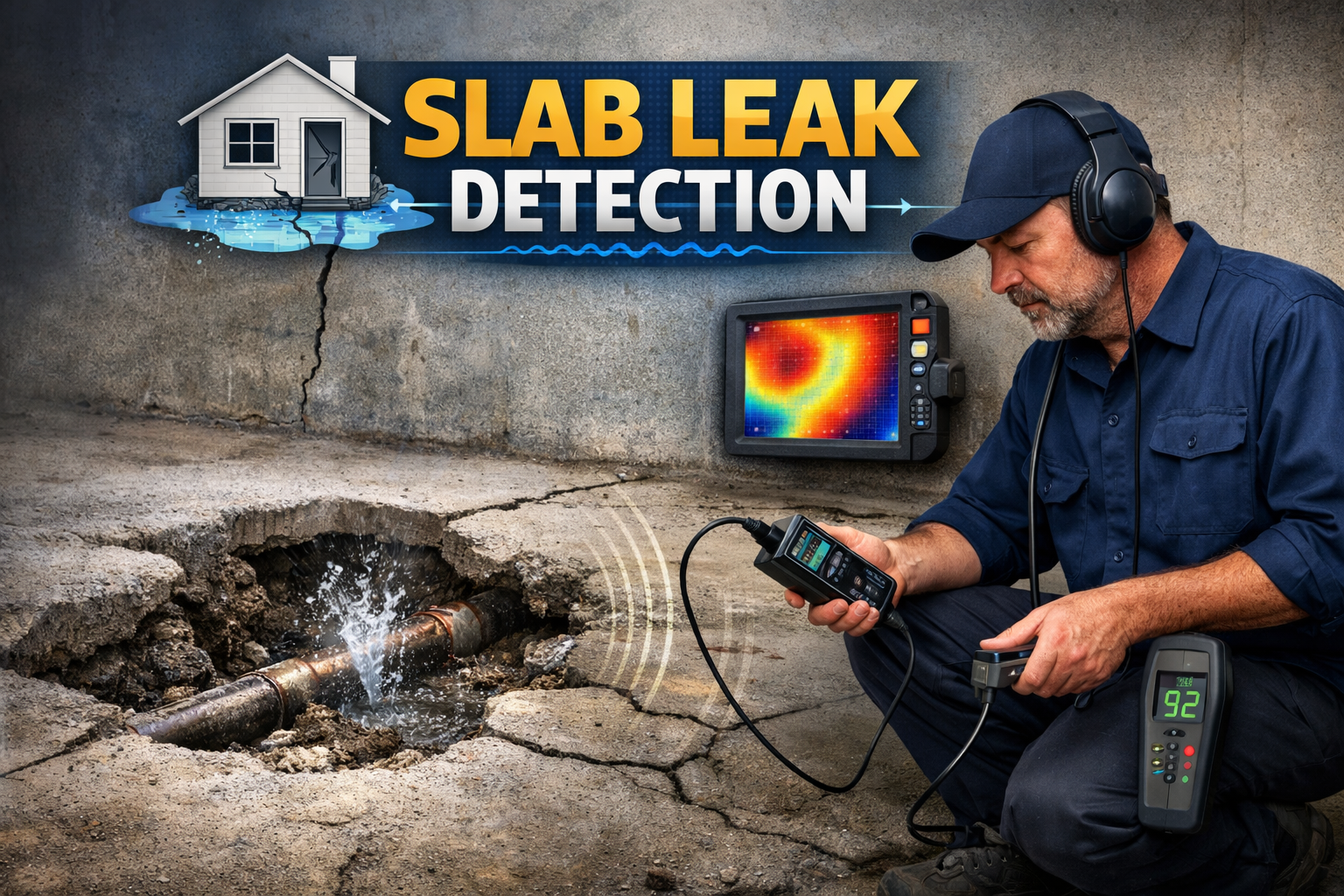
Professional leak detection uses specialized equipment to locate leaks quickly and accurately. Plumbers may use acoustic listening devices, thermal imaging cameras, and pressure testing to find leaks under slabs, in walls, or underground.
Leak detection services help minimize damage because plumbers do not have to guess where the leak is. Finding the exact location saves time, money, and unnecessary repairs.
Doug Herrell Plumbing offers leak detection services for homeowners in Melbourne and Brevard County.
Why Early Leak Detection Matters
Finding leaks early can save you thousands of dollars. Small leaks can turn into major problems if ignored. Water can damage drywall, flooring, cabinets, and foundations. Mold can grow in damp areas and cause health issues.
High water bills can also add up quickly. A single leaking toilet or pipe can waste hundreds of gallons of water per day. Using your water meter to check for leaks is a simple way to protect your home and your wallet.
Frequently Asked Questions About Reading a Water Meter and Leaks
How do I know if my water meter is showing a leak?
If the leak indicator is moving when all water is turned off, you likely have a leak somewhere in your plumbing system.
Can a water meter detect a slab leak?
Yes, a water meter can show continuous water use, which is often a sign of a slab leak or hidden underground leak.
Why is my water meter moving when nothing is on?
This usually means water is flowing through the system due to a leak, a running toilet, or an irrigation system issue.
How often should I check my water meter for leaks?
It is a good idea to check your meter every few months or whenever you receive a high water bill.
What should I do if I find a leak?
Check visible fixtures first, then call a professional plumber if you cannot find the source or suspect a hidden leak.
Can a plumber read my water meter for me?
Yes, plumbers can inspect your meter, explain your readings, and help locate leaks using professional equipment.
Reading a Water Meter and Knowing If You Have a Leak
Learning how to read your water meter is one of the easiest and most effective ways to find hidden water leaks. A moving meter when nothing is on is a clear warning sign that something is wrong. Catching leaks early can save you money, prevent water damage, and protect your home’s foundation.
If you suspect a leak or need professional leak detection, contact Doug Herrell Plumbing. Our team serves Melbourne and Brevard County and can help find and fix leaks before they turn into costly problems.
What’s Next?
Doug Herrell Plumbing is a trusted leader in Brevard County, Florida, specializing in slab leak detection and re-piping services. Call us today for a free estimate before a slab leak causes unnecessary damage to your property.
About Doug Herrell Plumbing – lic#CFC 048487
Doug Herrell Plumbing has been Brevard County’s source for plumbing services since 1980. We are a family owned and operated business and take tremendous pride in providing honest and reliable plumbing services at an affordable price.
CALL 321-254-0004
Serving Melbourne, Palm Bay, Viera, Suntree, Titusville, Merritt Island, Melbourne Beach, Indialantic, Indian Harbour Beach, Cape Canaveral, Satellite Beach, Rockledge, West Melbourne, Cocoa, and Cocoa Beach.
Table of Contents
- How to Read a Water Meter and Know If You Have a Leak
- What Is a Water Meter and What Does It Do?
- Where to Find Your Water Meter
- How to Read a Water Meter
- How to Check for a Water Leak Using Your Meter
- Common Places Where Hidden Leaks Occur
- Signs You May Have a Water Leak
- How Water Meters Help Detect Slab Leaks
- Understanding Water Meter Numbers and Units
- What to Do If You Think You Have a Leak
- Professional Leak Detection Services
- Why Early Leak Detection Matters
- Frequently Asked Questions About Reading a Water Meter and Leaks
- Reading a Water Meter and Knowing If You Have a Leak
- What’s Next?
- Table of Contents
continue reading