- Garbage Disposal Is Leaking at the Bottom
- Why a Bottom Leak Is More Serious Than Other Disposal Leaks
- Common Signs Your Garbage Disposal Is Leaking From the Bottom
- What Causes a Garbage Disposal to Leak at the Bottom?
- How to Confirm the Leak Is Coming From the Bottom
- Can a Garbage Disposal Bottom Leak Be Repaired?
- When Replacement Is the Best Option
- Choosing a Replacement Garbage Disposal
- What a Plumber Will Do During Replacement
- How to Prevent Future Garbage Disposal Leaks
- Water Damage Risks From a Leaking Disposal
- When to Call a Professional Plumber
- Frequently Asked Questions About Garbage Disposal Bottom Leaks
- Garbage Disposal Leaking At The Bottom Is A Clear Sign Of Internal Failure
- What’s Next?
Garbage Disposal Is Leaking at the Bottom
A garbage disposal leaking at the bottom is one of the most common—and most serious—disposal problems homeowners face. While some leaks around a sink or drain can be fixed with simple adjustments, a leak coming from the bottom of the disposal often points to internal damage. If ignored, this type of leak can cause cabinet damage, mold growth, and even electrical hazards under the sink.
Understanding why a garbage disposal leaks from the bottom, how to identify the source, and what your repair options are can help you act quickly and avoid bigger plumbing issues.
Why a Bottom Leak Is More Serious Than Other Disposal Leaks
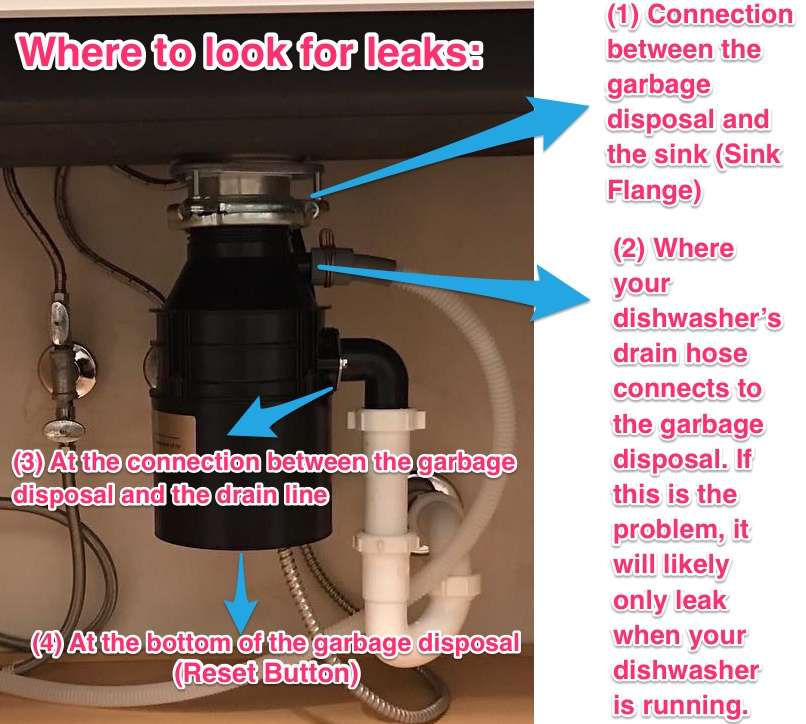
Garbage disposals can leak from several places, including the sink flange, dishwasher connection, drain pipe, or mounting assembly. These leaks are usually caused by loose connections or worn seals and can often be repaired.
A bottom leak, however, is different. When water drips from the bottom of the disposal unit itself—often through the reset button area or housing seam—it usually means the internal seal has failed. This seal protects the motor and electrical components inside the unit. Once it breaks, water can enter areas that are not designed to get wet.
In most cases, a bottom leak means the disposal is reaching the end of its lifespan.
Common Signs Your Garbage Disposal Is Leaking From the Bottom
Homeowners often discover a bottom leak after noticing water pooling under the sink. You may see steady dripping, rust stains, or moisture collecting directly beneath the disposal. In some cases, the leak only appears when the disposal is running.
Other warning signs include a musty smell under the sink, visible corrosion on the disposal housing, or the reset button frequently tripping. If water has been leaking for a while, you may also notice warped cabinet floors or mold growth.
If the disposal is leaking even when not in use, it’s a strong indicator that the internal seals have failed.
What Causes a Garbage Disposal to Leak at the Bottom?
Bottom leaks almost always come from internal problems rather than loose fittings. One of the most common causes is worn internal seals. Over time, heat, water, and food waste break down the rubber seals inside the unit. Once these seals fail, water escapes through the bottom.
Another common cause is corrosion. Minerals in water and food debris can cause metal components to rust from the inside out. This is especially common in older disposals or homes with hard water.
Cracks in the disposal housing can also cause leaks. These cracks may form due to age, manufacturing defects, or impact damage from hard objects like bones or metal utensils. Once the housing is cracked, it cannot be safely repaired.
According to Family Handyman, leaks from the bottom of a garbage disposal almost always require replacement rather than repair.
https://www.familyhandyman.com/article/garbage-disposal-leaking/
How to Confirm the Leak Is Coming From the Bottom
Before deciding on repair or replacement, it’s important to confirm the leak source. Start by drying everything under the sink with a towel. Then place dry paper towels beneath the disposal and run water through the sink without turning on the unit.
Next, turn on the disposal and watch closely. If water drips from the bottom center of the unit—often near the reset button—the leak is internal. If water appears higher up, the issue may be a loose drain connection or gasket.
The This Old House offers a helpful breakdown of how to identify different disposal leaks:
https://www.thisoldhouse.com/plumbing/21015920/how-to-fix-a-garbage-disposal
Can a Garbage Disposal Bottom Leak Be Repaired?
In most cases, no. A bottom leak usually means the internal seal or housing has failed. These components are not designed to be serviced or replaced separately. Attempting to seal the bottom with glue, epoxy, or tape is unsafe and temporary at best.
Because garbage disposals combine water and electricity, continuing to use a leaking unit can create a shock hazard. Once water reaches the motor, the disposal can short out or fail completely.
Professional plumbers almost always recommend replacing the disposal when a bottom leak is confirmed.
When Replacement Is the Best Option
If your garbage disposal is leaking from the bottom, replacement is usually the safest and most cost-effective solution. Most disposals last 8 to 12 years, depending on usage and maintenance. If your unit is within this age range and leaking, replacement makes more sense than trying to extend its life.
Newer garbage disposals are more efficient, quieter, and resistant to corrosion. Many models also come with stainless steel components and improved sealing systems.
Consumer Reports provides a helpful overview of garbage disposal lifespan and reliability:
https://www.consumerreports.org/appliances/garbage-disposals/
Choosing a Replacement Garbage Disposal
When replacing a leaking disposal, homeowners should consider motor power, noise level, durability, and compatibility with existing plumbing. Higher horsepower models handle food waste more easily and reduce jamming.
Stainless steel grinding components are more durable and resist rust better than galvanized steel. Noise-reduction features are also important for open kitchens.
Popular and reliable brands include InSinkErator, Moen, and Waste King. Always choose a model that matches your household needs and sink configuration.
What a Plumber Will Do During Replacement
A professional plumber will first disconnect power to the disposal and shut off water as needed. The old disposal is removed from the mounting assembly, and the drain and dishwasher connections are inspected for damage.
The plumber then installs the new unit, ensuring proper alignment, sealing, and electrical safety. Once installed, the disposal is tested for leaks, proper operation, and smooth drainage.
Professional installation ensures the unit is mounted correctly and prevents future leaks caused by misalignment or poor sealing.
How to Prevent Future Garbage Disposal Leaks
While bottom leaks can’t always be prevented, proper use and maintenance can extend the life of your disposal. Avoid putting hard objects like bones, fruit pits, or metal utensils into the unit. Do not pour grease or oil down the disposal, as it can harden and cause internal strain.
Run cold water when using the disposal and allow it to run for a few seconds after grinding food to flush debris through the system. Periodic cleaning with ice cubes and mild dish soap can help reduce buildup.
The U.S. Environmental Protection Agency also recommends reducing food waste through disposals to protect plumbing systems:
https://www.epa.gov/recycle/reducing-wasted-food-home
Water Damage Risks From a Leaking Disposal
Even small leaks can cause serious damage under a sink. Cabinet wood can swell and rot, mold can grow in damp areas, and electrical outlets under the sink may be exposed to moisture.
If a disposal leak goes unnoticed, it can also damage flooring or spread moisture into adjacent cabinets. Catching and fixing the problem early prevents costly repairs beyond the disposal itself.
When to Call a Professional Plumber
If your garbage disposal is leaking from the bottom, calling a plumber is strongly recommended. Because internal leaks cannot be repaired safely, a professional can confirm the issue and replace the unit properly.
You should also call a plumber if the disposal trips the breaker, emits a burning smell, or stops working entirely after leaking. These signs indicate electrical damage.
Frequently Asked Questions About Garbage Disposal Bottom Leaks
Why is my garbage disposal leaking from the bottom?
A bottom leak usually means the internal seal or housing has failed due to age, corrosion, or wear.
Can I fix a bottom leak with sealant?
No. Sealants and glue are unsafe and only provide temporary results. Replacement is the proper solution.
Is it safe to keep using a leaking disposal?
No. Water and electricity are a dangerous combination. Continued use can cause electrical failure or shock.
How long do garbage disposals last?
Most garbage disposals last between 8 and 12 years with proper use and maintenance.
Does homeowners’ insurance cover garbage disposal leaks?
Insurance may cover damage caused by the leak, but usually not the disposal replacement itself. Coverage depends on your policy.
How much does it cost to replace a garbage disposal?
Replacement costs vary by model and installation complexity, but replacing a unit is usually more affordable than repairing water damage.
Garbage Disposal Leaking At The Bottom Is A Clear Sign Of Internal Failure
A garbage disposal leaking at the bottom is a clear sign of internal failure. While it may be tempting to look for a quick fix, bottom leaks almost always mean the unit needs to be replaced. Ignoring the problem can lead to water damage, mold growth, and electrical hazards under your sink.
If you notice water dripping from the bottom of your disposal, stop using it and have it inspected as soon as possible. Replacing a failing disposal early is far less expensive than repairing the damage it can cause.
What’s Next?
Doug Herrell Plumbing is a trusted leader in Brevard County, Florida, specializing in slab leak detection and re-piping services. Call us today for a free estimate before a slab leak causes unnecessary damage to your property.
About Doug Herrell Plumbing – lic#CFC 048487
Doug Herrell Plumbing has been Brevard County’s source for plumbing services since 1980. We are a family owned and operated business and take tremendous pride in providing honest and reliable plumbing services at an affordable price.
CALL 321-254-0004
Serving Melbourne, Palm Bay, Viera, Suntree, Titusville, Merritt Island, Melbourne Beach, Indialantic, Indian Harbour Beach, Cape Canaveral, Satellite Beach, Rockledge, West Melbourne, Cocoa, and Cocoa Beach.
continue reading