Most homeowners don’t think about their plumbing until something goes wrong. Pipes are hidden behind walls, under floors, and out of sight, so it’s easy to assume everything is fine. But over time, your pipes can slowly break down from the inside, and by the time you notice obvious problems, the damage may already be serious.
Pipe corrosion is one of the most common issues in older homes, especially in areas like Florida where water quality, humidity, and aging infrastructure all play a role. The tricky part is that corrosion doesn’t always show itself right away. It builds gradually, restricting water flow, weakening pipe walls, and eventually leading to leaks or even major pipe failure.
Knowing the early warning signs of pipe corrosion can help you take action before small problems turn into expensive repairs.
What Does It Mean When Pipes Corrode From the Inside?
Corrosion happens when the inside of your pipes starts to deteriorate due to chemical reactions between the pipe material and the water flowing through it. This is especially common in older plumbing systems made from galvanized steel or aging copper.
As corrosion builds, it creates rough surfaces and mineral deposits inside the pipes. This reduces the space available for water to flow and can weaken the pipe structure over time. Eventually, this leads to leaks, bursts, or complete system failure.
Unlike a visible leak, corrosion is a hidden problem. It develops slowly, often without obvious signs at first, which is why homeowners are often caught off guard when a pipe suddenly fails.
Why Do Pipes Corrode?
There are several reasons pipes start to corrode, and in many cases, it’s a combination of factors.
Water chemistry plays a big role. If your water is too acidic or contains high levels of minerals, it can gradually eat away at the inside of your pipes. Hard water is especially known for causing buildup that contributes to corrosion over time.
The age of your plumbing system is another major factor. Older materials like galvanized steel are much more prone to corrosion than modern materials like PEX.
Oxygen inside the water, high water pressure, and even bacteria can also contribute to pipe deterioration. In coastal areas like Brevard County, environmental conditions can accelerate the process.
Early Signs Your Pipes Are Corroding
Discolored Water Coming From Your Faucets
One of the first signs of internal pipe corrosion is a change in your water color. If you notice brown, yellow, or reddish water coming from your faucets, it often means rust is present inside your pipes.
This is especially noticeable when you first turn on the water after it has been sitting in the pipes. While it may clear up after a few seconds, it’s still a strong warning sign that corrosion is happening inside your system.
Metallic Taste or Unusual Smell
Corroding pipes can affect the taste and smell of your water. If your tap water suddenly tastes metallic or has a strange odor, it could be due to deteriorating pipe materials mixing with your water supply.
This isn’t just unpleasant—it can also be a sign that your plumbing system is breaking down.
Decreasing Water Pressure Over Time
If your water pressure has been slowly getting worse, corrosion could be the reason. As buildup forms inside your pipes, it restricts the flow of water.
Unlike sudden pressure drops caused by leaks, corrosion-related pressure loss tends to happen gradually. You might not notice it at first, but over time, it becomes more obvious—especially when using multiple fixtures.
Frequent Leaks in Different Areas
A single leak might not seem like a big deal, but if you’re dealing with multiple leaks throughout your home, it’s often a sign of a larger issue.
Corroded pipes become weaker over time, making them more likely to crack or develop pinhole leaks. If you keep fixing leaks in different spots, you may be treating the symptoms instead of the root problem.
Visible Corrosion on Exposed Pipes
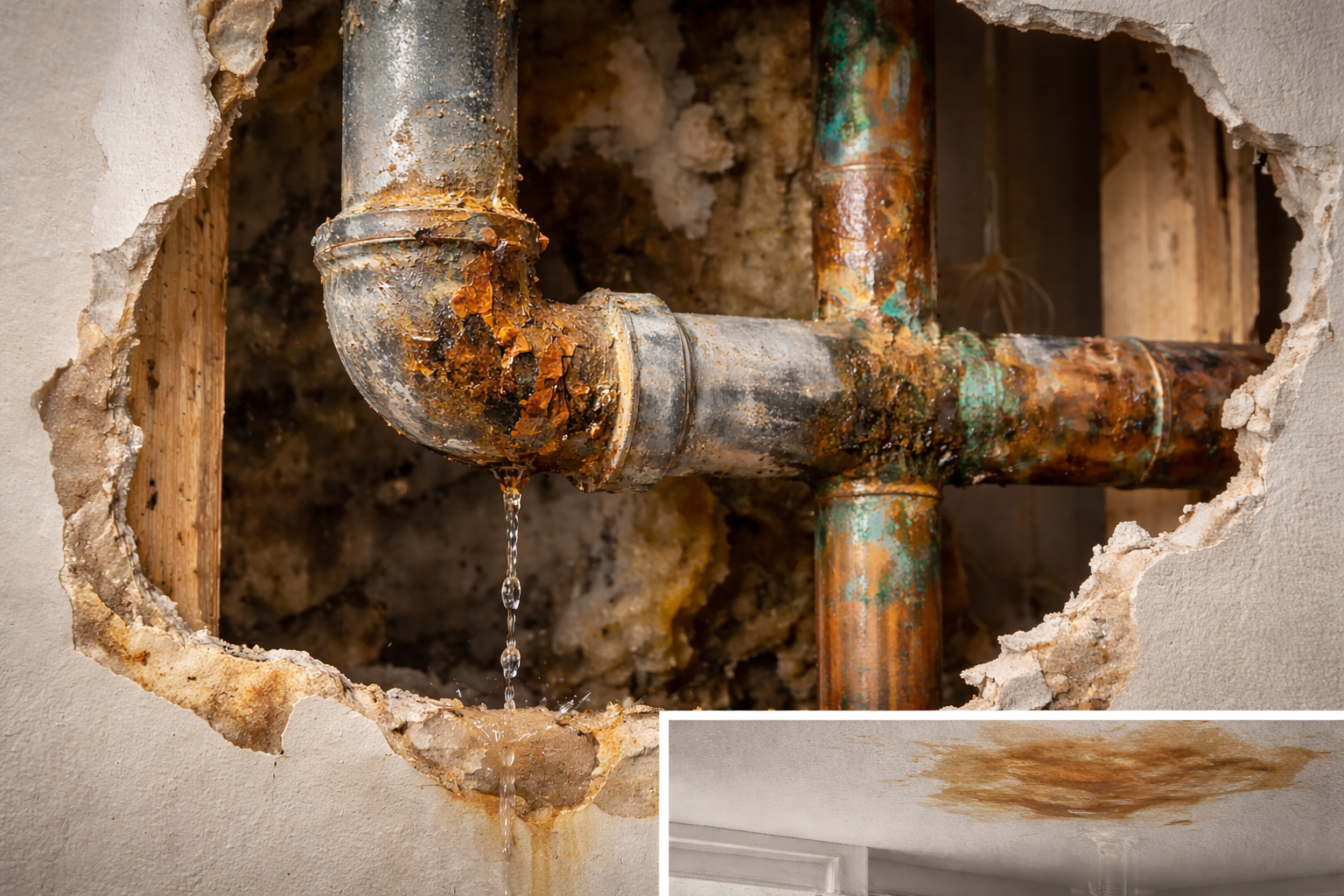
If you have exposed pipes under sinks or in utility areas, take a close look at them. Signs like discoloration, flaking, greenish buildup on copper pipes, or rust spots are clear indicators of corrosion.
Even though this is visible on the outside, it usually means the inside of the pipe is also deteriorating.
Water Stains or Damp Areas
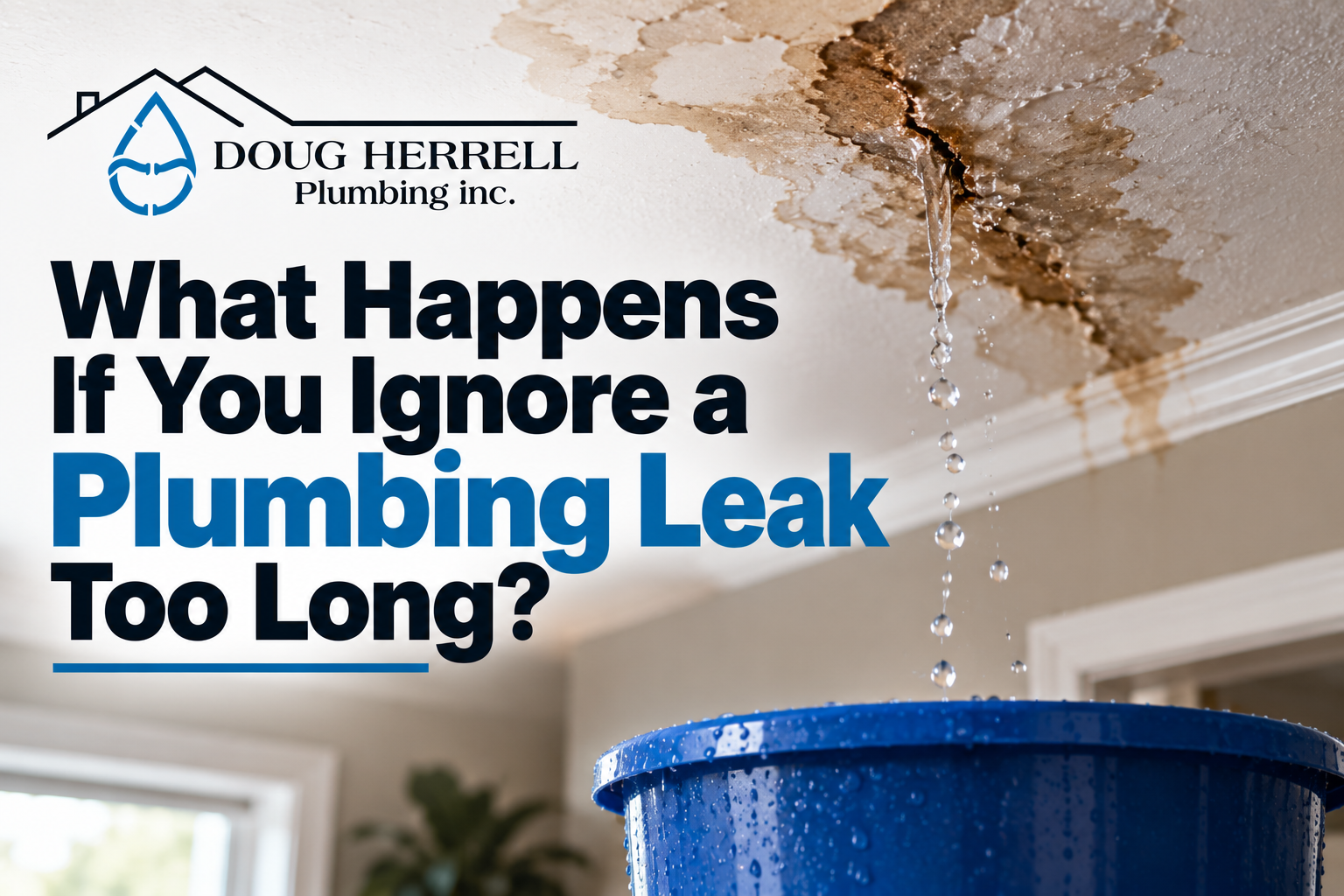
Corroded pipes are more likely to develop small leaks that can go unnoticed for a long time. You might see water stains on walls, ceilings, or floors without an obvious source.
These stains can be a sign that a pipe is slowly leaking behind the surface due to internal damage.
Unusual Noises in Your Pipes
If your pipes are making banging, rattling, or whistling noises, it could be related to corrosion. Buildup inside the pipes can disrupt water flow, causing vibrations and pressure changes.
While noise alone doesn’t always mean corrosion, it’s worth investigating if it’s happening alongside other signs.
Advanced Warning Signs of Serious Corrosion
As corrosion gets worse, the signs become harder to ignore.
You may experience frequent pipe bursts, major leaks, or sudden drops in water pressure. Water may no longer run clear at all, and fixtures can become clogged with debris from deteriorating pipes.
At this stage, repairs are usually not enough. The system may need partial or full replacement to prevent ongoing issues.
Which Types of Pipes Are Most at Risk?
Older plumbing materials are much more likely to corrode.
Galvanized steel pipes are one of the biggest culprits. These were commonly used in homes built before the 1960s and are known for rusting from the inside out.
Copper pipes can also corrode, especially if the water chemistry is unbalanced. This often shows up as pinhole leaks.
Polybutylene pipes don’t corrode in the traditional sense, but they degrade over time and can fail unexpectedly, which is why many homeowners choose to replace them.
Modern materials like PEX are much more resistant to corrosion, which is one of the reasons they’re widely used in repiping projects today.
How Corroded Pipes Affect Your Home
Corrosion doesn’t just impact your water—it affects your entire home.
It can lead to higher water bills due to leaks, damage to walls and flooring, and even mold growth if moisture builds up in hidden areas. It can also reduce the lifespan of appliances like water heaters, dishwashers, and washing machines.
In severe cases, a major pipe failure can cause significant water damage in a very short amount of time.
What Should You Do If You Suspect Pipe Corrosion?
If you’re noticing signs of corrosion, the best step is to have your plumbing system inspected by a professional. A plumber can assess the condition of your pipes and determine whether repairs or replacement are needed.
In some cases, only a small section of pipe may need to be replaced. But if corrosion is widespread, a full repiping project is often the most cost-effective long-term solution.
Repiping not only fixes current problems but also prevents future issues and improves your home’s water quality and pressure.
Can You Prevent Pipe Corrosion?
While you can’t completely stop pipes from aging, there are steps you can take to slow down corrosion.
Installing a water filtration or softening system can help reduce mineral buildup. Keeping your water pressure within a safe range can also prevent unnecessary stress on your pipes.
Regular plumbing inspections can catch early signs of corrosion before they turn into bigger problems.
When Is It Time to Repipe Your Home?
If your home has older plumbing materials, frequent leaks, or multiple signs of corrosion, it may be time to consider repiping.
While it’s a bigger investment upfront, it can save you money in the long run by eliminating ongoing repairs and reducing the risk of major water damage.
Repiping also improves water flow, pressure, and overall system reliability, making it one of the best upgrades you can make to your home’s plumbing.
Pipe Corrosion Is One Of Those Problems That Starts Quietly
Pipe corrosion is one of those problems that starts quietly but can quickly turn into a major issue if ignored. The key is recognizing the warning signs early and taking action before your plumbing system fails.
If you’re dealing with discolored water, low pressure, frequent leaks, or visible pipe damage, your pipes may be corroding from the inside out. Addressing the problem early can protect your home, improve your water quality, and give you peace of mind.
If you’re unsure about the condition of your plumbing, having a professional inspection is the best way to get clear answers and avoid costly surprises down the road.
What’s Next?
Doug Herrell Plumbing is a trusted leader in Brevard County, Florida, specializing in slab leak detection and re-piping services. Call us today for a free estimate before a slab leak causes unnecessary damage to your property.
About Doug Herrell Plumbing – lic#CFC 048487
Doug Herrell Plumbing has been Brevard County’s source for plumbing services since 1980. We are a family owned and operated business and take tremendous pride in providing honest and reliable plumbing services at an affordable price.
CALL 321-254-0004
Serving Melbourne, Palm Bay, Viera, Suntree, Titusville, Merritt Island, Melbourne Beach, Indialantic, Indian Harbour Beach, Cape Canaveral, Satellite Beach, Rockledge, West Melbourne, Cocoa, and Cocoa Beach.
Table of Contents
- What Does It Mean When Pipes Corrode From the Inside?
- Why Do Pipes Corrode?
- Early Signs Your Pipes Are Corroding
- Advanced Warning Signs of Serious Corrosion
- Which Types of Pipes Are Most at Risk?
- How Corroded Pipes Affect Your Home
- What Should You Do If You Suspect Pipe Corrosion?
- Can You Prevent Pipe Corrosion?
- When Is It Time to Repipe Your Home?
- Pipe Corrosion Is One Of Those Problems That Starts Quietly
- What’s Next?
- Table of Contents