Understanding What Hard Water Is
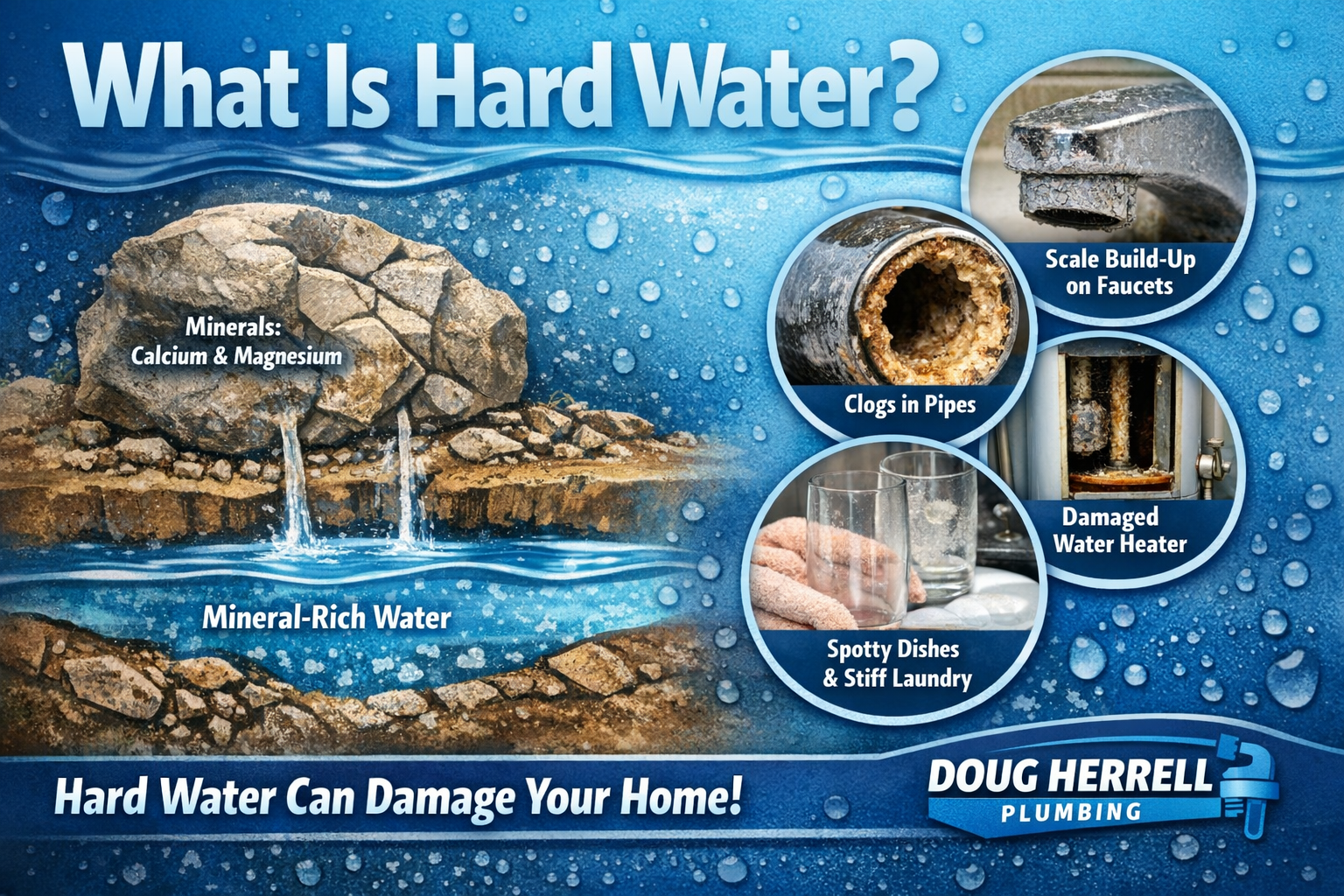
Many homeowners have heard the term “hard water,” but not everyone understands what it means or how it affects their plumbing system. Hard water refers to water that contains high levels of dissolved minerals, mainly calcium and magnesium. These minerals are naturally found in soil and rock, and they enter the water supply as groundwater moves through the earth.
While hard water is not considered dangerous to drink, it can cause a variety of problems in homes. Over time, mineral buildup from hard water can damage plumbing pipes, reduce water pressure, shorten the lifespan of appliances, and make everyday tasks like cleaning more difficult.
Hard water is a very common issue across the United States, including many areas of Florida. Understanding what hard water is and how it affects your home can help you protect your plumbing system and improve your water quality.
How Hard Water Forms
Hard water forms naturally as water travels through the ground and absorbs minerals along the way. As rainwater soaks into the soil, it moves through layers of limestone, chalk, and other mineral-rich rock. During this process, calcium and magnesium dissolve into the water.
By the time the water reaches underground aquifers or municipal water systems, it may already contain significant mineral content. This mineral-rich water eventually flows through pipes and into homes.
Different regions have different water hardness levels depending on local geology. Areas with large amounts of limestone often have higher mineral levels in their water supply.
The United States Geological Survey provides additional information about water hardness and mineral content at https://www.usgs.gov.
What Makes Water “Hard”
Water hardness is determined by the concentration of minerals in the water. The more calcium and magnesium present, the harder the water becomes.
Water hardness is usually measured in grains per gallon or parts per million. Water that contains low levels of minerals is considered soft water, while water with higher concentrations is classified as moderately hard, hard, or very hard.
Although hard water may not taste significantly different from soft water, the effects become noticeable in plumbing systems, appliances, and household cleaning.
Signs Your Home Has Hard Water
Many homeowners discover they have hard water after noticing certain changes in their home. One of the most common signs is white or chalky buildup on faucets, showerheads, and sinks. This residue is often called limescale and forms when mineral-rich water evaporates and leaves deposits behind.
Another sign of hard water is soap that does not lather easily. Hard water reacts with soap and reduces its effectiveness, which can make washing dishes, laundry, and even your hands more difficult.
Some homeowners also notice spots on glasses and dishes after running the dishwasher. Hard water can leave a cloudy film on glassware that is difficult to remove.
Dry skin and dull hair are also common complaints in homes with hard water. The minerals in the water can prevent soap and shampoo from rinsing away completely, leaving residue on the skin and hair.
How Hard Water Affects Plumbing
Hard water can have a significant impact on plumbing systems over time. As mineral deposits build up inside pipes, they slowly reduce the amount of space available for water to flow. This buildup can lead to reduced water pressure and inefficient plumbing performance.
Over time, scale buildup can also increase stress on plumbing fixtures and appliances. Pipes may become partially blocked, forcing water to work harder to move through the system. This can lead to additional wear and tear on plumbing components.
In severe cases, mineral buildup can eventually cause clogs or pipe damage that requires professional plumbing repairs.
Hard Water and Household Appliances
Hard water does not only affect pipes. It can also damage appliances that rely on water. Water heaters, dishwashers, washing machines, and coffee makers are especially vulnerable to mineral buildup.
Water heaters are one of the most commonly affected appliances. As hard water is heated, minerals separate from the water and settle at the bottom of the tank. Over time, this sediment buildup can reduce efficiency and increase energy costs.
Appliances may also wear out faster when exposed to hard water. Mineral deposits can damage heating elements, valves, and internal components, leading to costly repairs or replacements.
The U.S. Department of Energy notes that sediment buildup in water heaters can reduce efficiency and increase energy consumption. More information can be found at https://www.energy.gov.
Cleaning Challenges Caused by Hard Water
Hard water can make everyday cleaning tasks more difficult. Because minerals interfere with soap, homeowners often need to use more detergent when washing dishes, laundry, or surfaces.
Hard water can also leave streaks and spots on mirrors, glass, and shower doors. These mineral deposits can be difficult to remove and may require special cleaning products.
Laundry washed in hard water may feel stiff or look dull because detergent does not dissolve as effectively. Over time, mineral deposits can build up in fabrics and reduce their softness.
Hard Water and Water Pressure
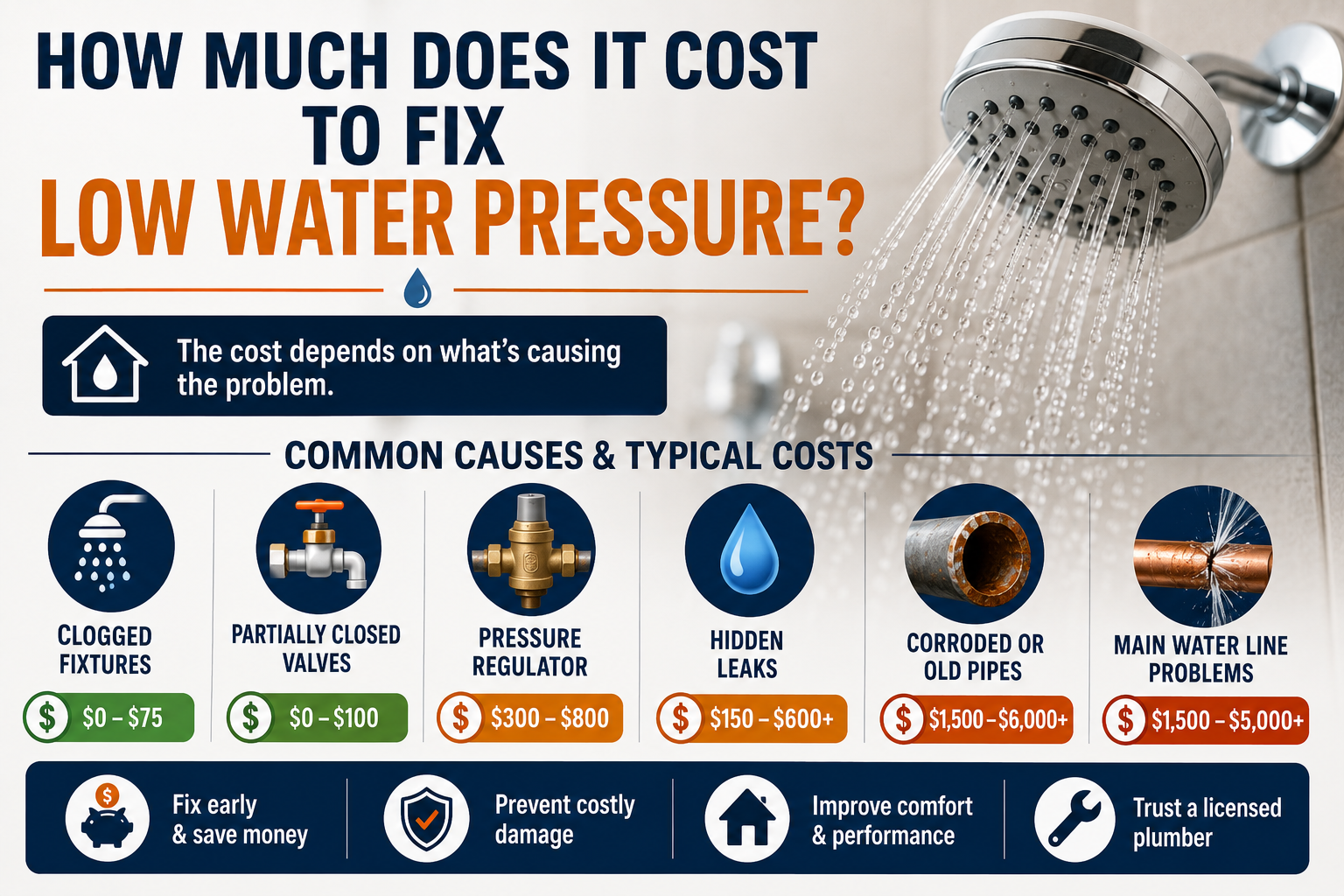
Another issue caused by hard water is reduced water pressure. When minerals build up inside pipes, they restrict water flow. This means less water can move through the plumbing system at one time.
Homeowners may notice weaker showers, slower filling sinks, or inconsistent water pressure throughout the home. If mineral buildup becomes severe, pipes may eventually require professional cleaning or replacement.
Maintaining a healthy plumbing system often involves addressing hard water issues before they lead to serious damage.
Testing Your Water for Hardness
If you suspect your home has hard water, testing is the best way to confirm it. Water hardness can be measured using simple test kits or professional water testing services.
Some local water utilities provide water quality reports that include information about mineral levels in the water supply. These reports can help homeowners understand whether hard water may be affecting their homes.
Professional plumbers can also test water hardness and recommend solutions based on the results.
Solutions for Hard Water Problems
One of the most common solutions for hard water is installing a water softener. Water softeners remove calcium and magnesium from the water through a process called ion exchange. This process replaces hard minerals with sodium or potassium ions, creating softer water.
Water softeners can help reduce mineral buildup in pipes and appliances. They can also improve cleaning performance, extend appliance lifespan, and improve water quality throughout the home.
In some cases, filtration systems may also be used to address additional water quality concerns.
Benefits of Treating Hard Water
Treating hard water can provide several benefits for homeowners. Plumbing systems often last longer because mineral buildup is reduced. Appliances can operate more efficiently, which may lower energy costs.
Softened water also improves soap performance, making it easier to wash dishes, clothes, and surfaces. Many homeowners notice softer skin, shinier hair, and cleaner glassware after installing a water softener.
Overall, addressing hard water can improve both the comfort and efficiency of a home.
When to Contact a Professional Plumber
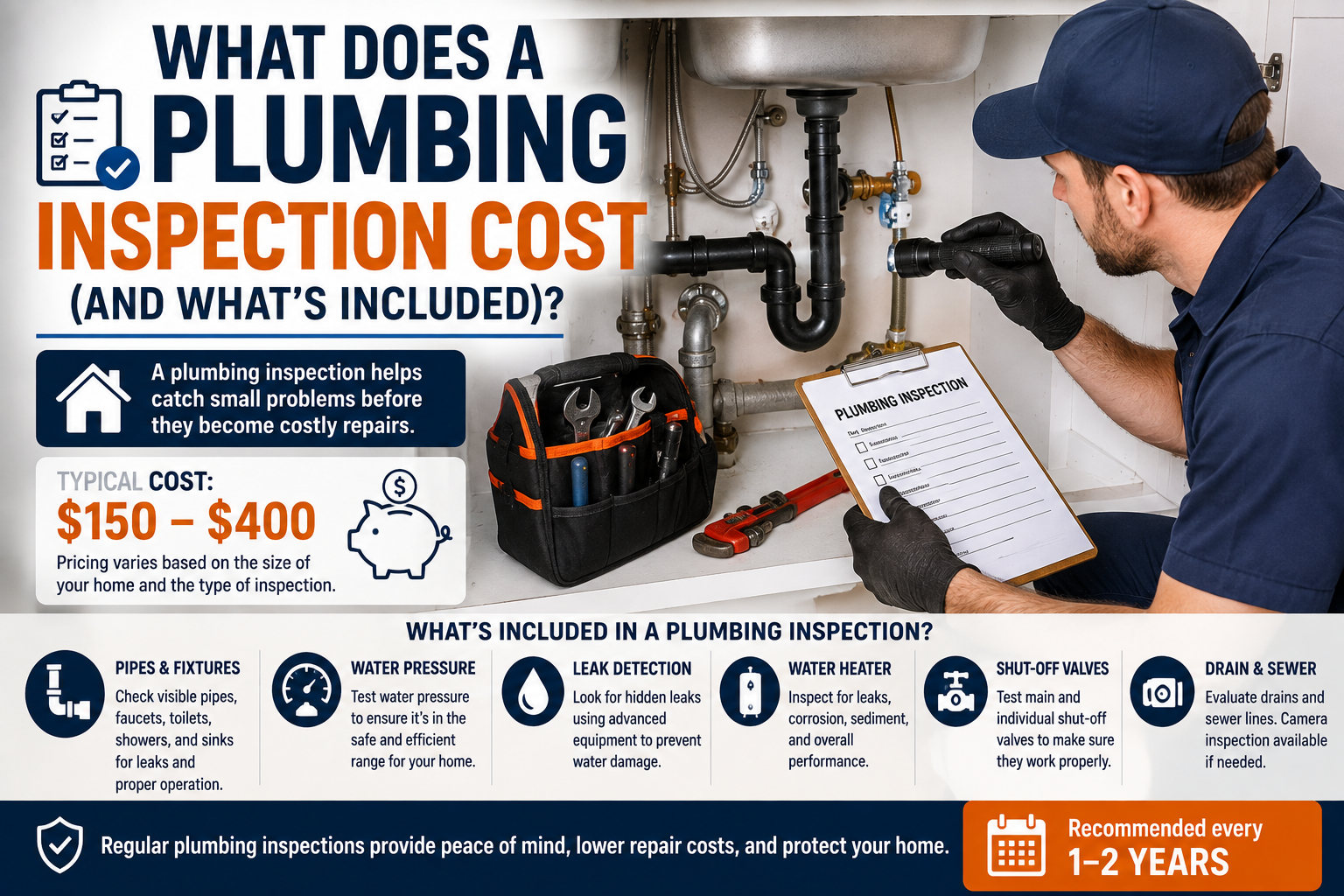
If you notice signs of hard water such as mineral buildup, reduced water pressure, or appliance problems, it may be time to contact a professional plumber. A licensed plumber can test your water, inspect your plumbing system, and recommend the best solution for your home.
Professional plumbing services can help prevent long-term damage caused by mineral buildup and ensure your plumbing system continues working properly.
Doug Herrell Plumbing provides plumbing services for homeowners in Melbourne and throughout Brevard County. Their team can help identify water quality issues and recommend solutions to protect your plumbing system.
Frequently Asked Questions About Hard Water
What is hard water?
Hard water is water that contains high levels of dissolved minerals, mainly calcium and magnesium.
Is hard water safe to drink?
Yes, hard water is generally safe to drink, although it may affect taste and cause mineral buildup in plumbing systems.
What causes hard water?
Hard water forms when water travels through soil and rock that contain minerals like calcium and magnesium.
How do I know if my home has hard water?
Common signs include mineral buildup on faucets, cloudy dishes, soap that does not lather well, and reduced water pressure.
Can hard water damage plumbing?
Yes, over time mineral deposits can build up inside pipes and appliances, reducing efficiency and potentially causing damage.
How do you fix hard water?
A water softener is the most common solution. It removes calcium and magnesium from the water, preventing mineral buildup.
Hard Water Is A Common Issue That Affects Many Homes
Hard water is a common issue that affects many homes, but it is often overlooked until problems begin to appear. Mineral buildup can affect plumbing systems, appliances, and everyday household tasks.
Understanding what hard water is and how it affects your home can help you take steps to protect your plumbing and improve water quality. Testing your water and addressing mineral buildup early can prevent costly repairs and extend the life of your plumbing system.
If you suspect hard water is affecting your home in Melbourne or Brevard County, Doug Herrell Plumbing can help inspect your system and recommend solutions that keep your plumbing running smoothly.
What’s Next?
Doug Herrell Plumbing is a trusted leader in Brevard County, Florida, specializing in slab leak detection and re-piping services. Call us today for a free estimate before a slab leak causes unnecessary damage to your property.
About Doug Herrell Plumbing – lic#CFC 048487
Doug Herrell Plumbing has been Brevard County’s source for plumbing services since 1980. We are a family owned and operated business and take tremendous pride in providing honest and reliable plumbing services at an affordable price.
CALL 321-254-0004
Serving Melbourne, Palm Bay, Viera, Suntree, Titusville, Merritt Island, Melbourne Beach, Indialantic, Indian Harbour Beach, Cape Canaveral, Satellite Beach, Rockledge, West Melbourne, Cocoa, and Cocoa Beach.
Table of Contents
- Understanding What Hard Water Is
- How Hard Water Forms
- What Makes Water “Hard”
- Signs Your Home Has Hard Water
- How Hard Water Affects Plumbing
- Hard Water and Household Appliances
- Cleaning Challenges Caused by Hard Water
- Hard Water and Water Pressure
- Testing Your Water for Hardness
- Solutions for Hard Water Problems
- Benefits of Treating Hard Water
- When to Contact a Professional Plumber
- Frequently Asked Questions About Hard Water
- Hard Water Is A Common Issue That Affects Many Homes
- What’s Next?
- Table of Contents